
Barista Consultation Service 'Coffee Talk Tokyo' Relocates to Japan
일본으로 가게 옮긴 바리스타 고민 상담소 ‘커피 톡 도쿄’
2026.05.16 11:00 UTC+9
AI Summary
'Coffee Talk' series is a visual novel set in the fictional city of New Seattle, where various non-human races live together. The first series was released in 2020 and received positive reviews from many users, drawing comparisons to 'Valhalla: Cyberpunk Bartender Action,' which had not had a sequel for a long time. Subsequently, 'Coffee Talk Episode 2: Hibiscus & Butterfly' also received good reviews, expanding its fandom.
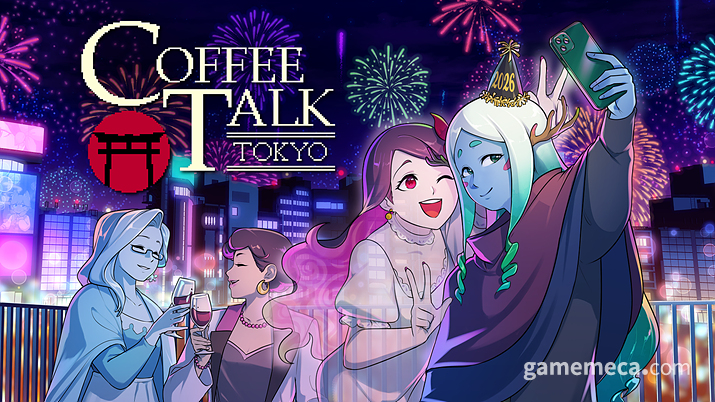
The 'Coffee Talk' series itself is a visual novel set in Neo-Seattle, a fictional metropolis where various non-human species coexist. Its debut in 2020 saw it favourably compared to the long-awaited 'Valhalla: A Cyberpunk Bartender Action', earning accolades from many players. The follow-up, 'Coffee Talk Episode 2: Hibiscus & Butterfly', continued this trend, building a dedicated fanbase.
Now, 'Coffee Talk Tokyo', the latest instalment, is slated for release on the 21st. True to its title, the setting shifts from Neo-Seattle to Japan, with patrons inspired by Japanese folklore set to make an appearance. We've gathered the details on Coffee Talk Tokyo, a release that's been pushed back to ensure its quality.
Coffee and Conversations in Tokyo
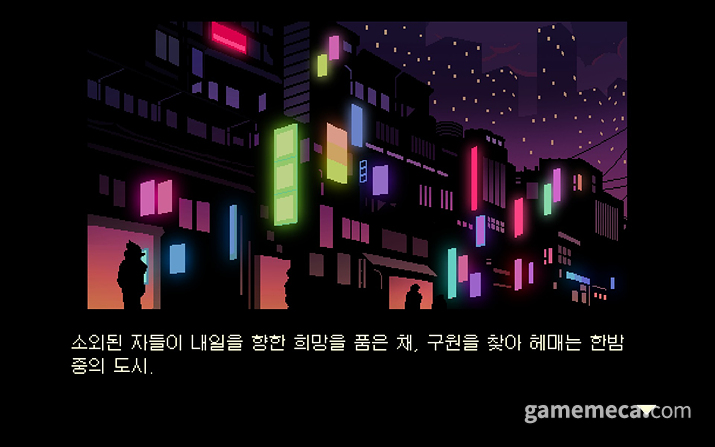
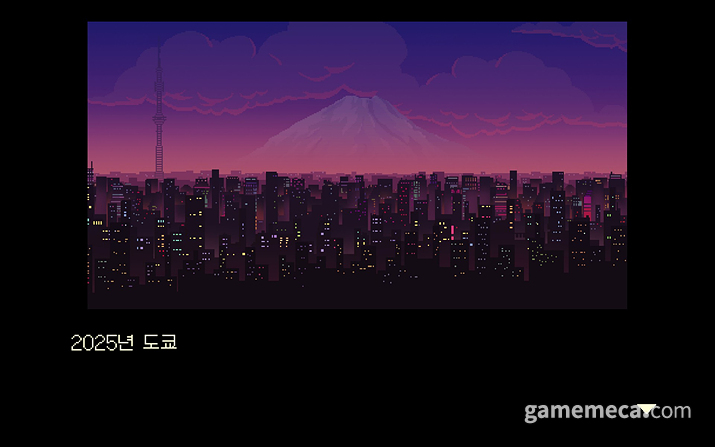
Unlike its two predecessors set in Neo-Seattle, Coffee Talk Tokyo unfolds in a fictionalised Tokyo. This is a city where paper and steel intertwine, a space where the past and future coexist. The small café nestled within serves as a late-night sanctuary, a place to pause amidst the sweltering summer heat.
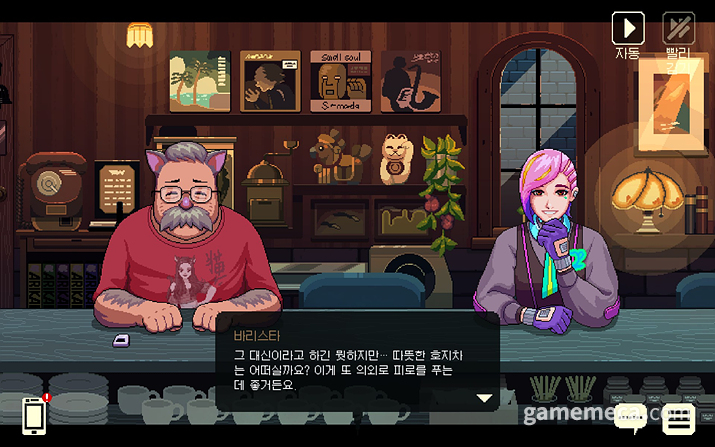
The café's design draws inspiration from a jazz kissaten, complete with a quiet alley, ambient lighting, wooden panel walls, vinyl records, and speakers. Against the backdrop of Tokyo's nightscape—a blend of safe residential areas after school, tranquil izakayas, and bustling streets—the game depicts the interwoven lives of countless individuals. Key patrons include playful Kappas, intelligent Kitsune, and even Ryuu, figures from Japanese folklore.
The core theme running through the entire work is change and acceptance. Characters find themselves on the cusp of life and death, facing retirement after a lifetime's dedication to their careers, or reconsidering their living situations. Players step into the role of a guide, helping them decide whether to resist change and remain stagnant, or to muster the courage to move forward.
The Barista's Tale of Solving Patrons' Woes
The protagonist is a barista running a coffee shop in Tokyo. It's not explicitly stated whether this is the same barista from the first two games. However, a scene in the trailer where the cat-eared male character, Hendri Fullon, remarks, "You look somewhat familiar," suggests the possibility of it being the same protagonist.
The assistant, Bin, is a non-binary human residing in the loft above the café. They carry the scars and trauma from a past catastrophe, and their attire is a fusion of classic jazz aesthetics and cyberpunk neon lights. Bin possesses a considerate nature and has a fondness for both dogs and cats. Within the game, they are depicted with unique facial expressions, ranging from passionate to weary.
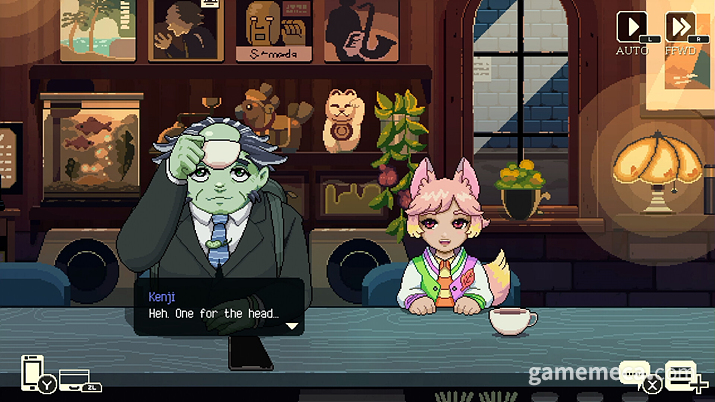
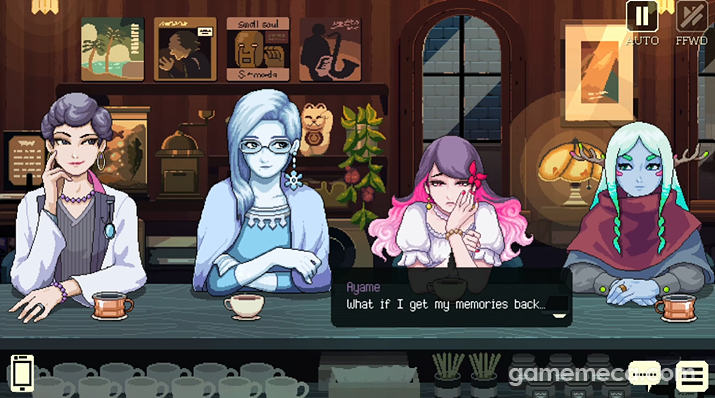
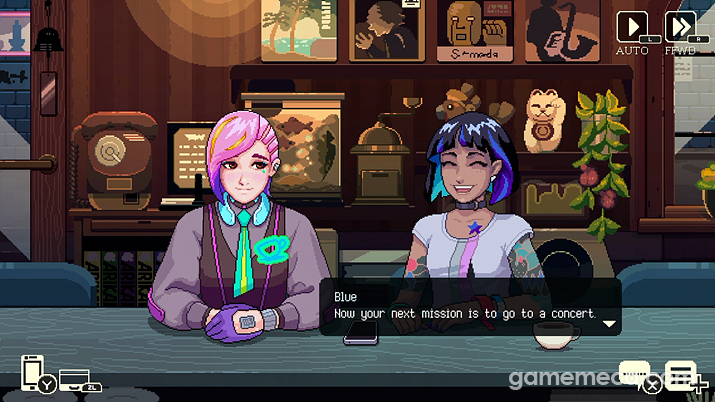
Patrons visit with their own real-world crises. Kenji, a Kappa salaryman, strives to find meaning in life after losing his sense of belonging post-retirement, having dedicated his life to his company. Ayame, usually cheerful, lived a vibrant life but has recently passed away and is struggling to comprehend the unfamiliar afterlife and adapt to her next existence. Other visitors include the tattooed Blue, the fox-eared Erica, and the musician Jun, each grappling with their own concerns.
When you serve a patron their desired beverage, they share various stories about love, loss, identity, and second chances. Through conversation and drinks, the barista helps these individuals accept change and move forward, rather than escaping reality. Your responses and drink choices influence the characters' narratives, their journey of overcoming hardship, and ultimately, the game's ending.

Crafting Drinks, Honoring the Legacy
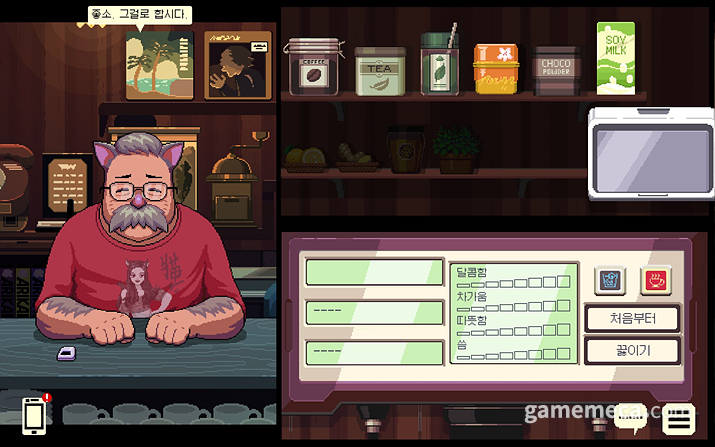
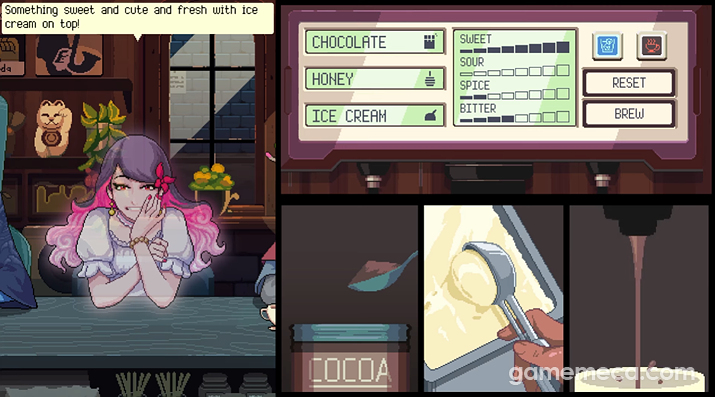
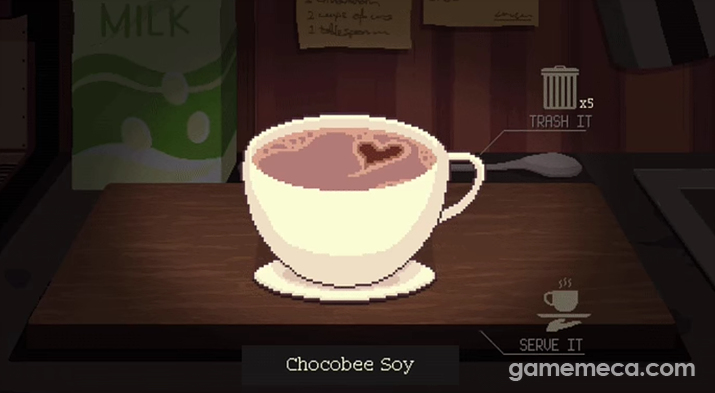
As in the previous titles, players take on the role of a barista, tasked with serving the perfect drink to each patron. The beverage creation process remains similar. Players must skillfully combine base ingredients, main ingredients, and complementary ingredients. For instance, early in the game, Jun requests a hot chocolate with honey and soy milk. By combining the base ingredient cocoa, main ingredient honey, and complementary ingredient soy milk, you can craft a 'Choco-Bee Soy'.
You'll also need to decipher hints hidden within the patrons' conversations to deduce the correct order. While the game starts with relatively straightforward drink requests, many recipes are hidden, requiring players to figure them out themselves. For example, a patron might mention honey in the context of ordering a royal milk tea. Should you make a mistake, you can discard the drink and remake it up to five times per day.

You can craft drinks featured in previous entries, such as Jahe Tubruk, Green Tea Latte, Matcha, Hot Chocolate, and Cappuccino. Additionally, the game introduces cold beverages suited for Tokyo's summer, like an Iced Hojicha. Completed recipes are recorded in your recipe book.
Much like its predecessors, the game allows for beautiful latte art. This is achieved by pouring milk and using etching tools to create flowing designs. Furthermore, a new stencil feature lets you add patterns using powders, enabling even more diverse drink decorations.

Enhanced In-Game Social Media and Lo-fi Music
The in-game social media feature, Tomodachi, returns with enhancements. Previously, players could engage with friends' posts by liking them to follow the story. A new hashtag function has been added. Clicking on a hashtag can reveal hidden posts from characters you don't yet follow, offering clues to new endings.
The soundtrack is once again helmed by composer Andrew AJ Jeremy, who worked on the previous games. He has rearranged existing lo-fi tracks and composed new music. Reflecting the shift to Japan, the composer conducted personal research to integrate traditional Japanese instruments like the koto, shakuhachi, and shamisen into the lo-fi music, fostering a cultural connection with the narrative.
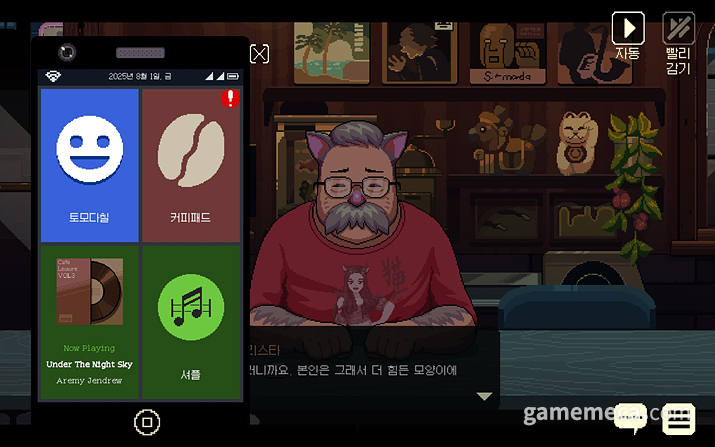
Additionally, the City Pop genre, emblematic of Japan's 1980s culture, makes its debut. An entire City Pop album has been produced in collaboration with the audio team. The coexistence of lo-fi and City Pop within the game, adapting to the situation, enhances the late-night café's narrative and immerses the player.
Coffee Talk Tokyo is set to launch on May 21st for Steam, PS5, Xbox Series X/S, and Nintendo Switch, with official Korean language support.
‘커피 톡(Coffee Talk)’ 시리즈는 여러 인외 종족들이 어울려 살아가는 가상의 도시 뉴 시애틀을 배경으로 한 비주얼 노벨이다. 2020년 첫 시리즈가 출시됐으며, 당시 오랫동안 후속작이 나오지 않았던 ‘발할라: 사이버펑크 바텐더 액션’과 비교되며 많은 유저들로부터 호평을 받았다. 이후 ‘커피 톡 에피소드 2: 히비스커스 & 버터플라이’까지 좋은 평가를 받으며 팬덤을 늘려갔다.
그런 커피 톡 시리즈 신작 ‘커피 톡 도쿄’가 오는 21일 출시를 앞두고 있다. 타이틀명에 걸맞게 배경은 뉴시애틀에서 일본으로 옮겨갔으며, 일본 요괴에 영감을 받은 손님이 등장할 예정이다. 완성도를 위해 출시일까지 미룬 커피 톡 도쿄에 대한 정보를 모아봤다.
도쿄에서 펼쳐지는 커피와 이야기
커피 톡 도쿄는 뉴 시애틀을 무대로 한 전작 두 편과 달리 가상의 도쿄에서 진행된다. 종이와 철이 어우러진 도쿄는 과거와 미래가 공존하는 공간이다. 그곳에 위치한 작은 카페는 무더운 여름을 피해 잠시 머물 수 있는 심야의 안식처 역할을 수행한다.
카페는 조용한 골목과 조명, 나무 패널 벽, 비닐 레코드와 스피커를 갖춘 재즈 키사에서 영감을 받아 구현됐다. 방과 후의 안전한 주택가와 한적한 이자카야, 번화가가 공존하는 도쿄의 밤 풍경을 바탕으로 수많은 사람의 삶이 겹겹이 이어지는 상황을 묘사한다. 장난기 많은 갓파, 영리한 여우, 용 등 일본 민속 설화에 등장하는 요괴들이 주된 손님으로 방문한다.
작품 전체를 관통하는 핵심은 변화와 수용이다. 캐릭터들은 삶과 죽음의 경계에 서 있거나, 평생을 바친 직장에서의 은퇴, 혹은 불편한 주거 환경의 재고 등 각자의 생애에서 마주한 결정적인 전환점에 놓여 있다. 플레이어는 이들이 변화를 거부하며 정체될 것인지, 아니면 용기를 내어 다음 단계로 나아갈 것인지를 결정하는 가이드 역할을 수행하게 된다.
손님의 고민을 해결하는 바리스타의 이야기
주인공은 도쿄에서 커피숍을 운영하는 바리스타다. 1편과 2편에 등장한 바리스타와 동일 인물인지는 명확히 밝혀지지 않았다. 다만 트레일러 영상 마지막에 고양이 귀를 지닌 남성 캐릭터 헨드리 풀롱이 "당신 뭔가 익숙하게 보이네요"라고 언급하는 장면을 통해 전작의 주인공과 동일 인물일 가능성도 있다.
조수 빈은 카페 위층 로프트에 거주하는 논바이너리 인간이다. 과거 재앙으로 인한 상처와 트라우마를 안고 살아가는 인물이며, 고전적인 재즈 분위기와 사이버펑크 느낌의 네온 불빛이 혼합된 복장을 착용한다. 타인을 배려하는 마음씨를 지녔으며, 개와 고양이를 모두 선호한다. 인게임에서는 열정적인 표정부터 지친 표정까지 고유의 안면 묘사를 지닌다.
손님들은 각자의 현실적인 위기를 지니고 방문한다. 갓파 샐러리맨 켄지는 평생을 직장에 바쳤으나 은퇴 후 소속감을 잃고 삶의 의미를 찾기 위해 노력한다. 밝은 성격이었던 아야메는 생전 화려한 삶을 살았으나, 최근 갑작스럽게 사망해 낯선 사후 세계를 이해하고 후생에 적응하며 고생하고 있다. 이외에도 문신이 있는 여성 블루, 여우 귀가 달린 에리카, 악기를 든 준 등 다양한 손님들이 각자 고민을 안고 카페를 방문한다.
손님이 원하는 음료를 내어주면, 손님은 사랑, 상실, 정체성, 두 번째 기회 등에 대한 여러 이야기를 건낸다. 바리스타는 대화와 음료를 통해 인물들이 현실을 도피하지 않고 변화를 수용하며 다음 단계로 나아갈 수 있도록 돕는다. 어떻게 답하고 어떤 음료를 내어주는지에 따라 캐릭터의 서사가 달라지며, 상처를 극복하는 과정과 게임의 엔딩도 결정된다.
전작을 계승하는 음료 만들기
전작들과 마찬가지로 플레이어는 바리스타가 되어 방문하는 손님에게 알맞은 음료를 대접해야 한다. 음료 제작 과정은 전작과 유사하다. 플레이어는 본 재료와 주재료, 부재료를 알맞게 배합해야 한다. 예를 들어 게임 초반부 준은 꿀과 두유가 더해진 핫 초콜릿을 요청한다. 이때 본 재료인 코코아와 주재료 꿀, 부재료 두유를 넣어 '초코비 소이'를 만들 수 있다.
또 손님의 대화 속에 숨겨진 힌트를 찾아 정답을 유추해야 한다. 게임 초반에는 비교적 직설적으로 원하는 음료를 전하지만, 레시피가 숨겨져 있어 직접 알아내야 하는 경우도 많다. 예를 들어 손님이 로열 밀크티를 언급하는 과정에서 꿀이 들어간다는 정보가 드러난다. 만약 음료를 잘못 만들더라도, 하루에 최대 다섯 번 이를 버리고 다시 제작하는 것도 가능하다.
전작에서도 등장한 자헤 투브룩, 녹차 라떼, 말차, 핫초코, 카푸치노 등을 제작할 수 있다. 여기에 더해 아이스 호지차와 같은 도쿄의 여름에 어울리는 차가운 음료를 제조하는 기능이 더해졌다. 완성된 결과물은 레시피(recipe) 수첩에 기록된다.
전작과 마찬가지로 아름다운 라테 아트도 만들 수 있다. 우유를 붓고, 에칭을 통해 흐르는 모양을 만들며 꾸미는 방식이다. 여기에 더해 디자인에 가루를 뿌려 모양을 만드는 스텐실 기능도 더해져 더 다양한 방식으로 차를 장식할 수 있다.
강화된 인게임 SNS와 로파이 음악
전작에도 등장한 인게임 SNS인 토모다칠 기능이 강화됐다. 전작에서는 친구들이 올린 글을 읽고 '좋아요'를 누르는 등으로 스토리를 감상할 수 있었다. 여기에 해시태그 기능이 새롭게 추가됐다. 해시태그를 클릭하면 아직 팔로우하지 않은 캐릭터의 숨겨진 게시물을 발견할 수 있으며, 새로운 엔딩으로 가는 단서도 제공한다.
사운드트랙은 전작의 작곡가 앤드루 에이제이 제레미(Andrew AJ Jeremy)가 담당했다. 기존 로파이(Lo-fi) 곡을 편곡하고 새로운 음악을 창작해 수록했다. 무대가 일본으로 변경된 점을 반영해 작곡가가 직접 연구를 거쳐 코토, 샤쿠하치, 샤미센등 일본 전통 악기를 로파이 음악에 접목해 서사와의 문화적 연결성을 구현했다.
여기에 일본 80년대 문화를 나타내는 시티 팝 장르가 새롭게 추가됐다. 오디오 팀과의 협업을 통해 시티 팝 앨범 전체도 제작됐다. 로파이(Lo-fi)와 시티 팝(city pop)이 게임 내에서 공존하며 상황에 맞춰 재생되어 심야 카페의 서사를 뒷받침하고 몰입감을 더한다.
커피 톡 도쿄는 5월 21일 스팀, PS5, Xbox 시리즈 X/S, 닌텐도 스위치로 출시되며, 한국어를 공식 지원한다.
This news was translated by AI.

I will always love games. skyanze@gamemeca.com
READ MORE
-
 Dungeon Extraction Game Mistfall Hunter Hits Top Ranks at Steam Next Fest
-
 Marvel Tōkon: Fighting Souls, 4v4 Fighting Action That Captures the Thrill of Assembly
-
 Beast of Reincarnation, Parrying Action from the Developer of Pokemon
-
 An adventure across time and space, the thousand-year story of adventurer Elliot
MOST POPULAR NEWS
- Dplus KIA Admits Salary Delays, Confirms Club Sale in Progress
- "I am back": Kylian Mbappé selected as cover model for EA Sports FC 27
- GTA 6 Estimated to Have Earned $260 Million in Pre-orders Within 3 Weeks
- Simultaneous Launch of Skins and Apparel, PUBG Mobile Collaborates with Musinsa
- VCT Pacific Stage 2, Gen.G secures sole lead with two consecutive wins
- Palworld Officially Released, Transformed Into an Entirely New Game
- Epic Games Store Summer Sale Begins with Discounts Up to 80%
- Bethesda Announces Future Plans: The Elder Scrolls 6 and Fallout 5 Are Currently in Development
- [LOL Meme] ShowMaker's Resurrection, Hungry Spirit Leads DK to EWC Victory
- Path of Exile to remove socket color system after 13 years
MEDIA PARTNERSHIPS


GAMEMECA SNS