[Board Game] Even the Zone on the table is dangerous! S.T.A.L.K.E.R. The Board Game
[보드게임] 테이블 위 존(Zone)도 위험! 스토커 더 보드게임
2026.06.10 10:00 UTC+9
AI Summary
S.T.A.L.K.E.R. The Board Game offers a brutal, immersive, and highly strategic post-apocalyptic experience. Its complex mechanics and high difficulty make it best suited for dedicated groups of three players. Despite the lack of an official local release, the deep thematic world-building makes it a standout title.
[Board Games] Each month, Gamemeca joins forces with Woo-chi, the CEO of board game developer Potpourri, to highlight some truly top-tier tabletop experiences.
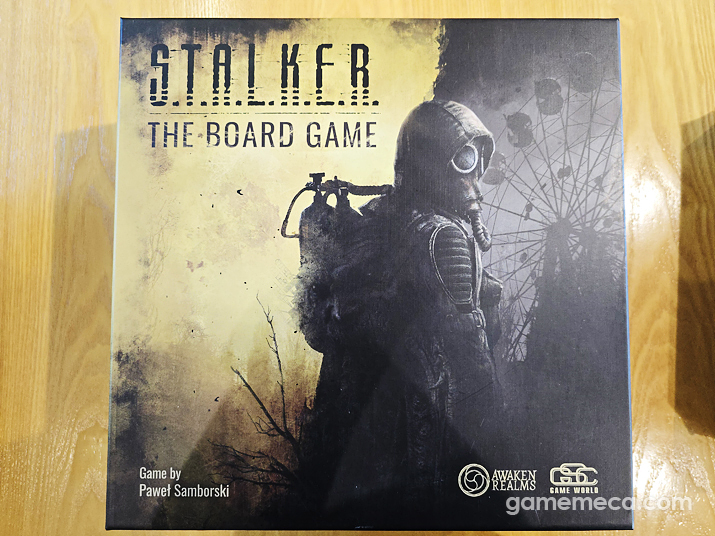
▲ S.T.A.L.K.E.R. The Board Game. The box art alone tells you exactly what kind of hell you're in for. (Image courtesy: Gamemeca)
The 1986 Chernobyl nuclear disaster remains etched in history as one of mankind's most harrowing catastrophes. Even decades later, the area surrounding the site remains a restricted zone, largely inaccessible to the living. It is a setting that has inspired no shortage of masterpieces, most notably GSC Game World's S.T.A.L.K.E.R. series. It captures the lives of 'Stalkers'—those who risk everything to scavenge for rare artifacts within the radiation-choked 'Zone'.
In 2025, a board game adaptation arrived, crafted by Polish publisher Awaken Realms in collaboration with the original developers. As it hasn't received an official local release, I had to get my hands on the international version. I wanted to see if the game offered enough mechanical depth to draw in a player like me, who had never touched the original video game.
Unfolding the Zone on your tabletop
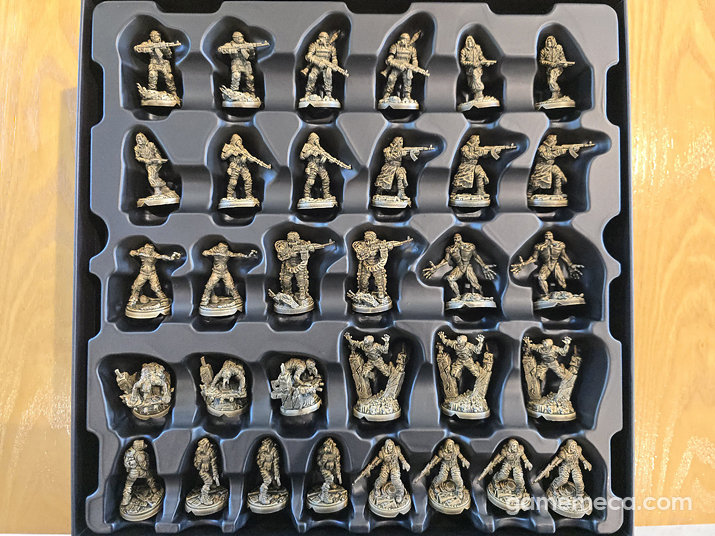
The first thing that hits you when you crack open the box is the sheer quality of the miniatures. The human mercenary figures are rendered with gritty realism, while the mutant creatures possess a grotesque level of detail that perfectly captures the horror-genre tension. They are more than just game pieces; they are veritable collector’s items.
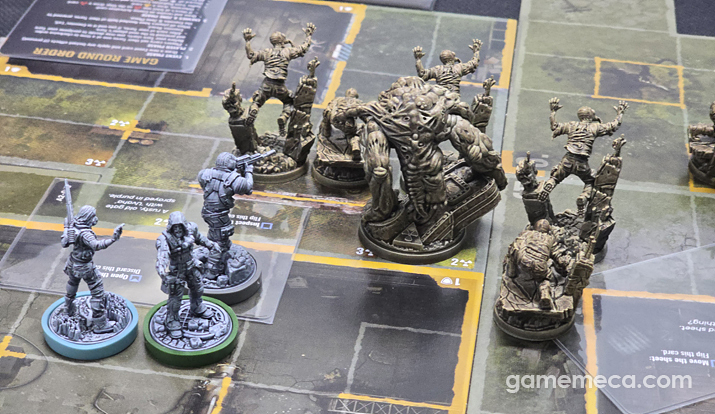
▲ Terrifying mutants and a variety of enemy miniatures. (Image courtesy: Gamemeca)
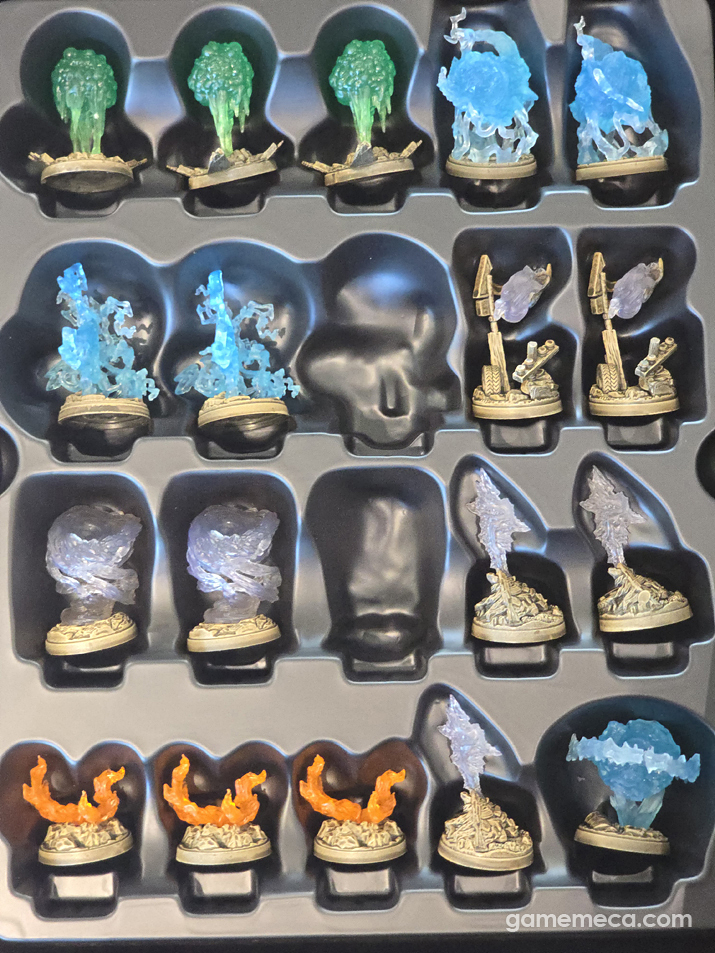
▲ The flashy anomaly miniatures. (Image courtesy: Gamemeca)
The artwork is equally immersive. The bleak, desolate atmosphere of the Zone is woven into every map tile and card. With rusted barbed wire, ruined buildings, and radiation warning signs, the visual language of the post-apocalyptic setting is so dense that you feel like you've been dropped right into the heart of the Zone the moment you set it up.
The items you scavenge—hazmat suits, gas masks, Geiger counters—further ground the experience. You don't need prior knowledge of the lore to grasp just how lethal this environment truly is.
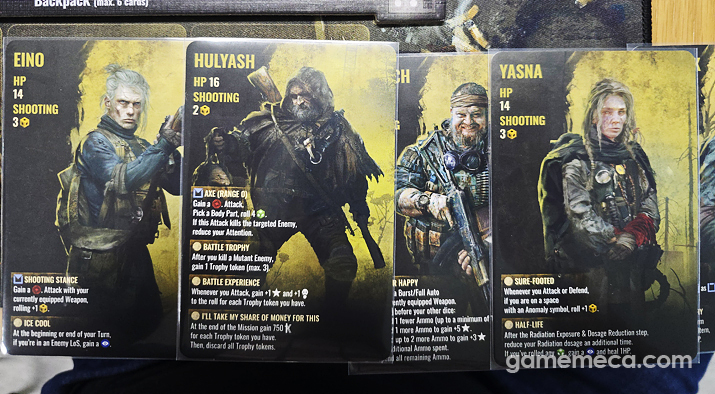
▲ A variety of mercenaries, each with their own unique abilities. (Image courtesy: Gamemeca)
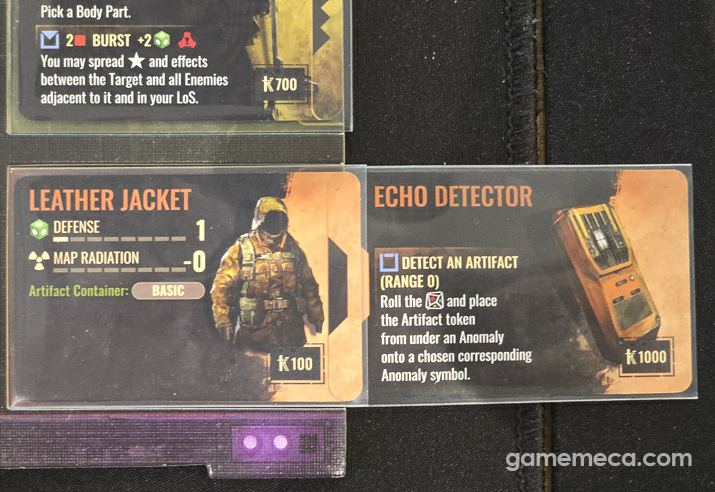
▲ Protective gear is essential, though you'll find yourself painfully fragile in the early stages. (Image courtesy: Gamemeca)
A 'Zone Crawler' rather than a dungeon crawler; similar to Gloomhaven, but with a twist
The publisher markets S.T.A.L.K.E.R. The Board Game as a 'Zone Crawler'. It’s a subversion of the dungeon crawler genre,Gloomhavenadopting a similar RPG-style progression. Players take on the roles of Stalkers, completing missions and engaging in combat and exploration to upgrade their gear and grow their characters.
The departure from Gloomhaven is distinct. While that series focuses on long-term character cultivation, S.T.A.L.K.E.R. allows you to swap characters between scenarios. However, the items you've purchased and equipped carry over, making supply chain management a core pillar of your strategy.
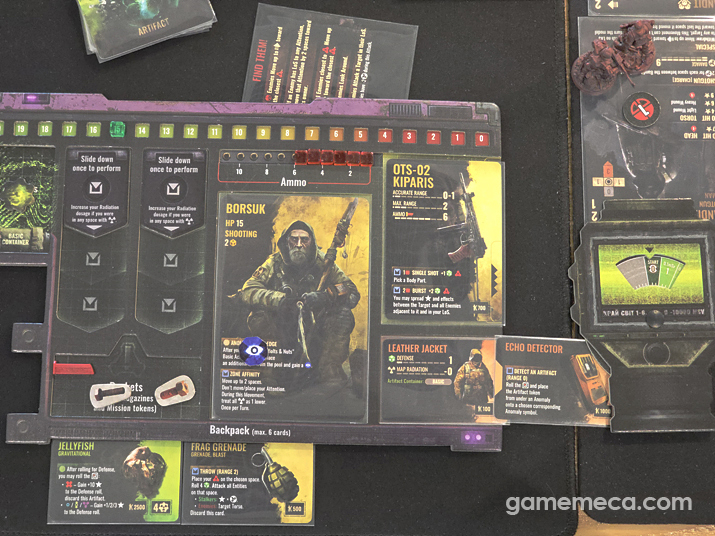
▲ You can swap mercenaries each round, but your gear remains shared. (Image courtesy: Gamemeca)
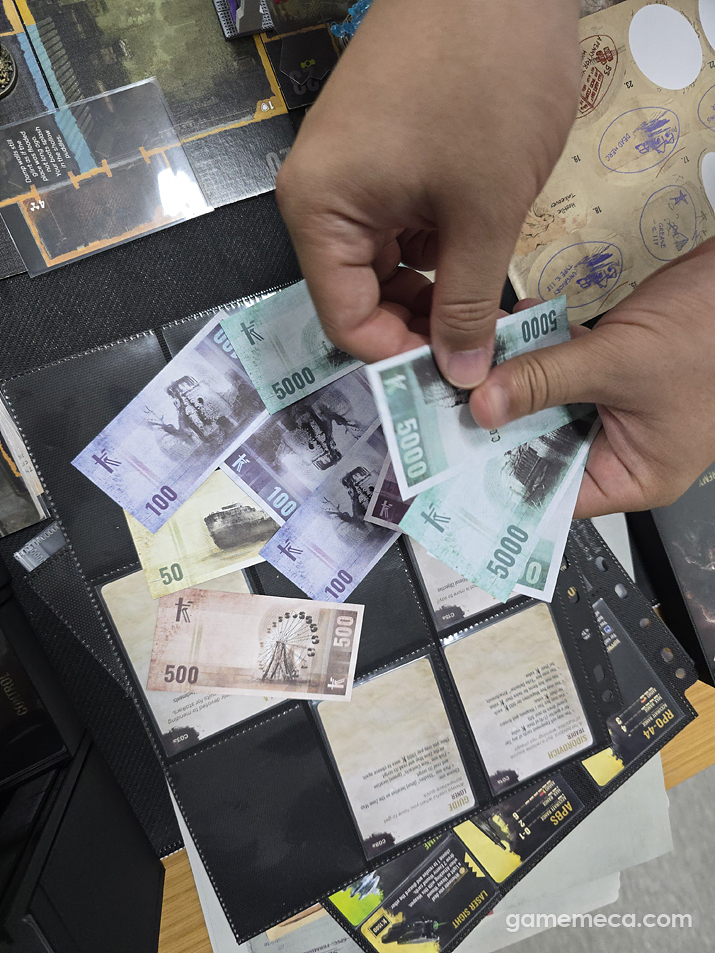
▲ Selling off loot after a mission is a great way to turn a profit. (Image courtesy: Gamemeca)
The core mechanic is the 'Anomaly', a faithful representation of the source material. These serve as environmental hazards; human enemies cannot pass through them, but mutants can move freely. Players must stop dead in their tracks near these hazards and expend one of their four basic actions to deal with them. Movement, combat, opening doors, dealing with anomalies—the way you allocate these limited actions each turn is a matter of life and death.
The game offers both a campaign mode and a standalone 'Zone Survival' mode. I dove into the campaign, which strings individual missions together into a cohesive, increasingly tense journey.
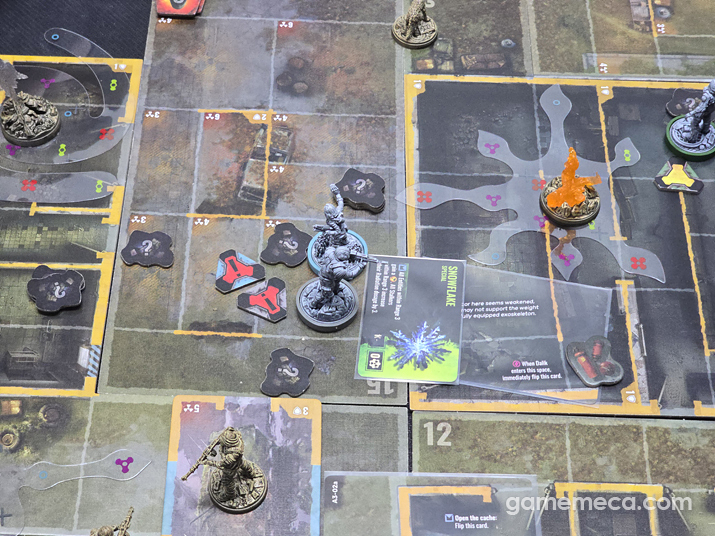
▲ 'Anomalies' scatter across the map. Step into their range and you'll be rolling dice; hit the wrong result, and you're in for massive damage. (Image courtesy: Gamemeca)
▲ A blue anomaly inside a building; orange lines on the map signify walls. (Image courtesy: Gamemeca)
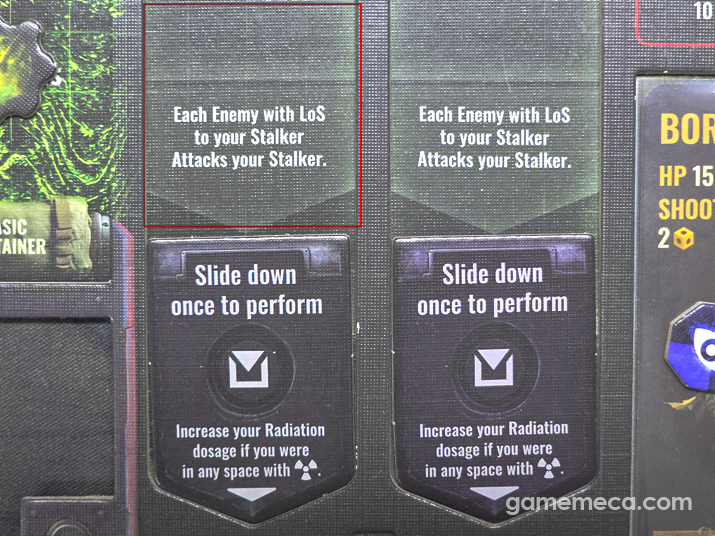
▲ Your action pool. When you take damage, you place tokens in the red boxes to represent your reduced capacity. (Image courtesy: Gamemeca)
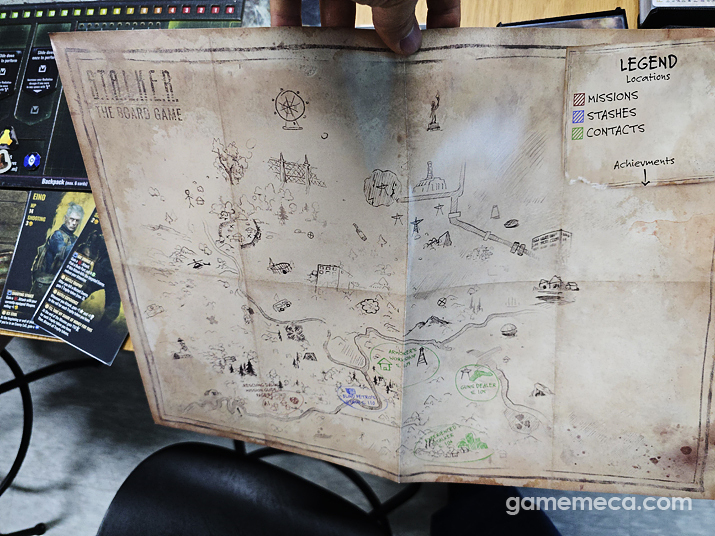
▲ Placing stickers on the map as you clear scenarios fills it out over time. (Image courtesy: Gamemeca)
Shaking hands before the reactor: A 10-hour, 3-player saga
Our 10-hour, 3-player playthrough reached its peak during the final reactor mission. The objective was to infiltrate and retrieve an artifact, but the map was so saturated with radiation and anomalies that even simple movement felt like an Herculean task.
I felt the pressure most when opening and closing doors, which consumes precious action points. In a standoff with powerful monsters, sealing a door to prevent reinforcements is a tactical necessity, but that single action drains resources better spent on combat or movement. Every choice is linked to your immediate survival, creating an atmosphere that makes you feel as though you've actually infiltrated the Zone.
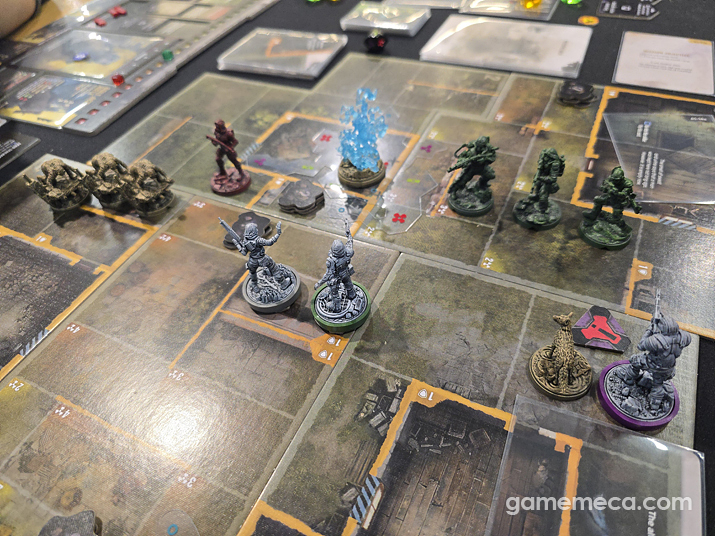
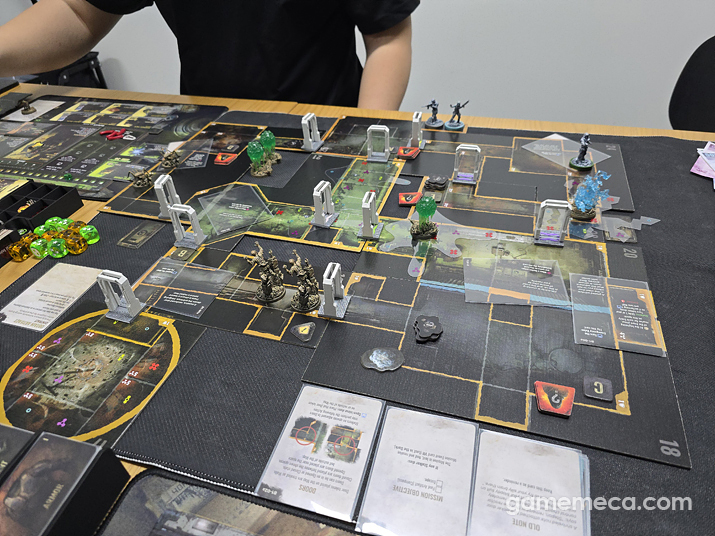
▲ Starting the reactor mission, with mutants swarming the corridors. (Image courtesy: Gamemeca)
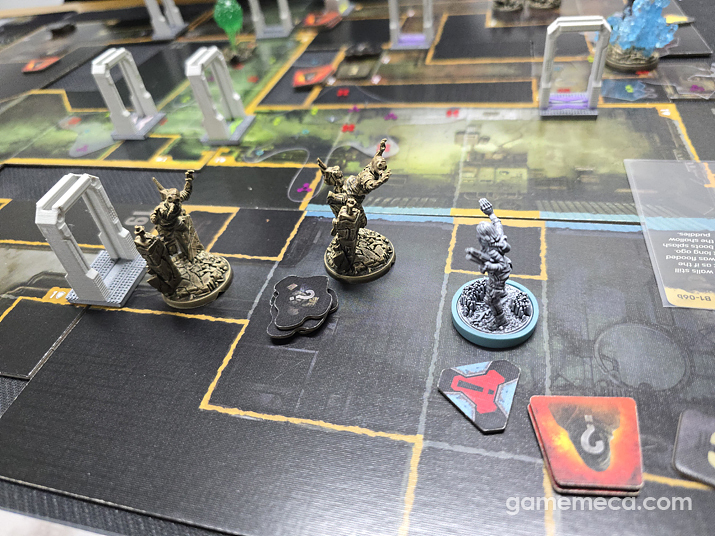
▲ A run-in with a mutant right in front of a doorway. (Image courtesy: Gamemeca)
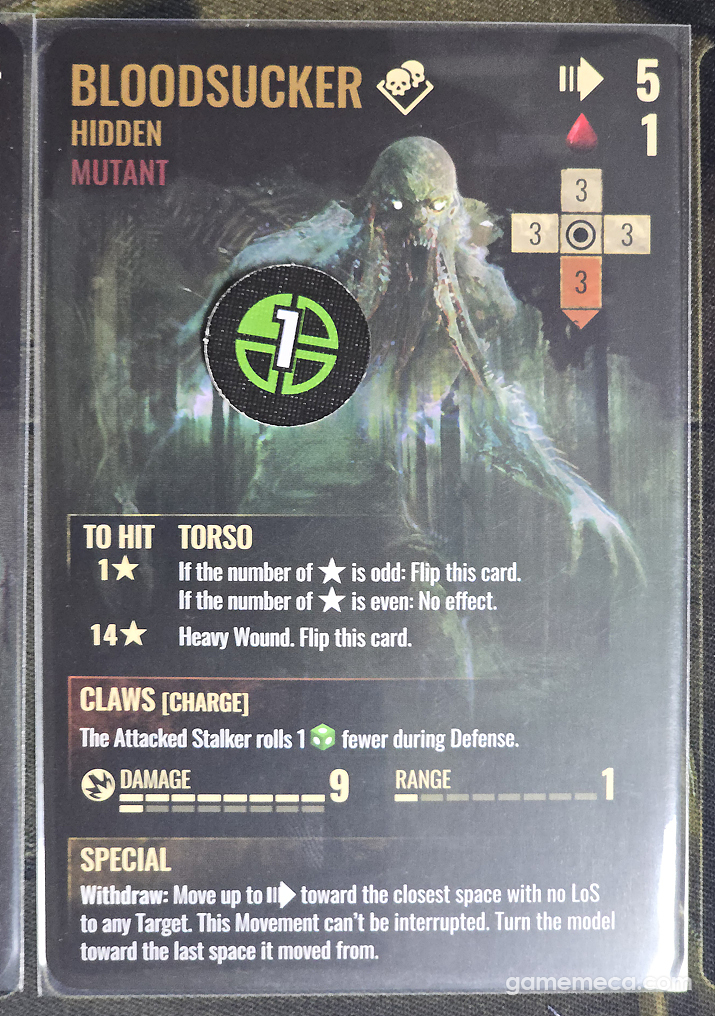
▲ A boss-tier mutant; you'll need to roll odd numbers just to deal damage. (Image courtesy: Gamemeca)
The beauty of a 3-player session is the natural emergence of roles. By our second session, we were instinctively coordinating—one player drawing aggro while the others pushed toward the objective. It wasn't scripted; it was organic teamwork, which made the success that much sweeter.
Player count is critical. With enemy activation rules often scaling to 'number of Stalkers + 1', 3-player games are relentless. A solo run reduces enemy counts, but it doesn't grant you extra resources or actions, making the lack of companions a heavy burden.
While solo play is possible, it felt lonely and unnecessarily tedious. The true magic of S.T.A.L.K.E.R. The Board Game lies in planning, role division, and overcoming crises together.
▲ You must account for player turn order and item usage to succeed. (Image courtesy: Gamemeca)
You never know how a mission will unfold until you're in the thick of it. That uncertainty makes the pre-mission planning—debating which characters to pick and which gear to pack—a joy in itself. The game is brutal; the payoff of a hard-won victory through consensus is leagues beyond what you'd get alone. I highly recommend a group of at least two, preferably three.
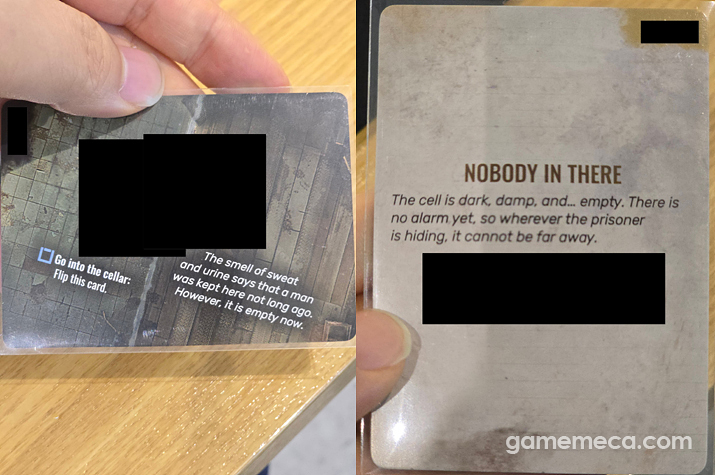
▲ Unrevealed area cards litter the map; flipping them can drastically change the mission trajectory. (Image courtesy: Gamemeca)
Hard to approach, but overwhelmingly immersive
That said, the hurdles are real. The line-of-sight rules are fiddly and confusing early on, and the lack of an official English (or Korean) rulebook is a barrier. While fan-translated guides and AI tools help bridge the gap, it’s not exactly a smooth ride.
The time commitment is also significant. Setup takes forever, and you should budget at least two hours per mission. This isn't a casual affair; you need time and a dedicated group of friends willing to bunker down for the long haul.
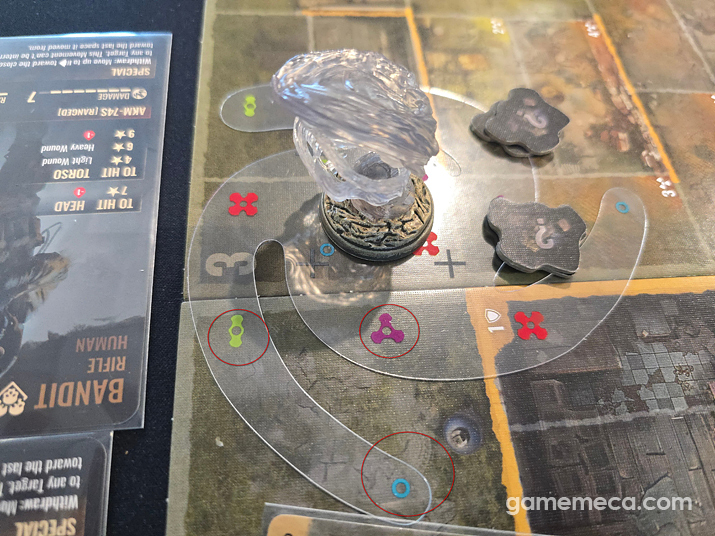
▲ Players marked with colored rings searching a building while mutants are occupied elsewhere. (Image courtesy: Gamemeca)
Despite the difficulty, the world-building is among the most intense I've ever experienced in a board game. The grim, realistic art, the narrative-driven missions, and the constant threat of radiation and anomalies keep you on edge. The focus on specific objectives rather than just 'kill everything' makes for genuinely strategic gameplay.
Terrified, yet dying to return to the Zone
S.T.A.L.K.E.R. The Board Game is certainly not for the faint of heart. The long playtime, complex rules, and language barriers are significant. However, its greatest strength is how it pulls you into its world, regardless of whether you know the source material. The experience of becoming a Stalker—battling radiation, anomalies, and mutants—is unlike anything else currently on the table.
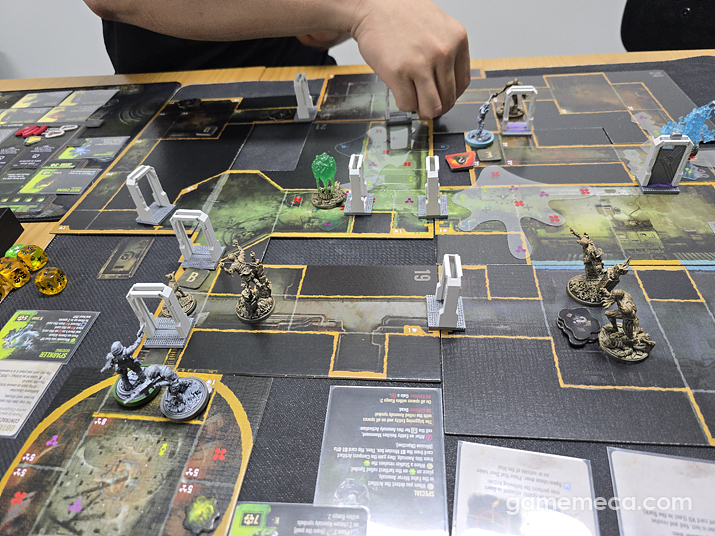
▲ Anomalies, mutants, human enemies, and radiation on the floor—nothing about this is easy. (Image courtesy: Gamemeca)
If you love post-apocalyptic settings, are looking for a heavy cooperative RPG like Gloomhaven, or enjoy the thrill of overcoming brutal challenges with friends, this is a must-play. I am certain that if an official localized version were to arrive, it would find a massive audience.
게임메카는 한 달에 한 번 보드게임 개발사 포푸리의 우치 대표와 함께 좋은 보드게임을 소개하는 코너 [보드게임]을 연재합니다.
▲ 스토커 더 보드게임. 상자만 봐도 테마를 짐작할 수 있다 (사진: 게임메카 촬영)
1986년 체르노빌 원자력 발전소 폭발 사고는 인류 역사상 최악의 핵 재난으로 기록됐습니다. 수십 년이 지난 지금도 사고 현장 주변은 사람이 직접 가기 어려운 금지 구역으로 남아 있습니다. 이를 배경으로 한 명작 게임도 적지 않은데요, 대표적인 것이 GSC 게임 월드의 ‘스토커(S.T.A.L.K.E.R.)’ 시리즈입니다. 방사능이 가득한 '존(Zone)'을 무대로, 목숨을 걸고 귀한 유물을 찾아 헤매는 '스토커'들의 이야기를 담고 있죠.
이 시리즈를 기반으로 한 보드게임이 2025년 출시됐습니다. 폴란드 보드게임 제작사 어웨이큰 랠름(Awaken Realms)가 원작 개발사와 손잡고 만든 ‘스토커 더 보드게임'입니다. 국내에는 아직 정식 유통이 되지 않아 해외에 출시된 버전으로 경험해봤는데요, 원작 비디오게임을 해본 적 없는 필자도 그 세계관에 충분히 몰입할 수 있는 짜임새를 갖췄는지 직접 확인해봤습니다.
테이블에 펼치는 순간 황폐한 존이 열린다
박스를 개봉하면 가장 먼저 눈에 들어오는 부분은 높은 완성도를 갖춘 피규어였습니다. 인간형 용병 피규어는 사실적인 묘사가 두드러졌고, 돌연변이 몬스터 피규어 역시 그로테스크한 디테일이 살아있어 보는 것만으로도 호러 장르 특유의 긴장감을 느낄 수 있었습니다. 단순히 게임에 쓰는 말이 아니라 수집품으로서도 가치가 충분하다고 생각했습니다.
▲ 무섭게 생긴 돌연변이와 다양한 적 피규어 (사진: 게임메카 촬영)
▲ 화려한 이상현상 피규어 (사진: 게임메카 촬영)
아트워크도 세계관에 대한 몰입도를 높여줍니다. 황폐하고 을씨년스러운 존의 분위기가 맵 타일과 카드 곳곳에 촘촘히 녹아 들어 있습니다. 여기에 녹슨 철조망, 폐허가 된 건물, 방사능 경고 표시 등 포스트 아포칼립스 특유의 시각 언어가 게임판을 가득 채우고 있어, 테이블에 펼치는 순간 존 한복판에 들어선 듯한 느낌을 받습니다.
플레이 중 획득할 수 있는 아이템도 방호복, 가스마스크, 방사능 측정기 등 위험한 환경에서 살아남기 위한 물건으로 구성되어 있어, 스토커 세계관에 대한 사전 지식이 없어도 이곳이 얼마나 위험한 장소인지 체감할 수 있었습니다.
▲ 다양한 용병, 능력도 모두 다르다 (사진: 게임메카 촬영)
▲ 몸을 보호하기 위한 방어구, 초반에는 너무 약하다 (사진: 게임메카 촬영)
던전 아닌 존 크롤러, 글룸헤이븐과 닮았지만 다르다
스토커 더 보드게임은 퍼블리셔 스스로 ‘존 크롤러(Zone Crawler)’ 장르라 부르고 있습니다. 던전 크롤러를 변형한 개념으로, 글룸헤이븐 시리즈와 유사한 RPG적인 진행 방식을 채택했죠. 플레이어들은 각자 스토커 캐릭터를 맡아 미션을 수행하고, 전투와 탐색을 반복하며 장비를 갖춰 캐릭터를 성장시켜 나갑니다.
글룸헤이븐과의 차이점도 분명합니다. 글룸헤이븐은 특정 캐릭터를 꾸준히 육성하는 방식인 반면, 스토커 더 보드게임에서는 시나리오마다 원하는 캐릭터로 교체할 수 있습니다. 다만 이전 미션에서 구매하고 장착했던 아이템은 다음에도 그대로 이어지기 때문에, 물품 수급과 관리가 전략의 중요한 축이 됩니다.
▲ 플레이어는 매 라운드마다 새로운 용병을 골라 플레이 할 수 있다, 아이템은 공유된다 (사진: 게임메카 촬영)
▲ 미션이 끝나면 아이템을 팔아서 돈을 벌 수 있다 (사진: 게임메카 촬영)
핵심 요소는 원작 세계관을 충실하게 반영한 ‘어노말리(Anomaly)’, 이상현상입니다. 존 곳곳에 배치된 이상현상은 일종의 자연 장애물로, 인간형 적은 이 구역을 통과하지 못하지만 돌연변이는 자유롭게 지나다닐 수 있습니다. 플레이어 역시 이상현상 인근에서는 반드시 멈춰야 하며, 기본 4번의 행동 중 하나를 소비해 이에 대비해야 합니다. 이동 하나, 전투 하나, 문을 여닫는 것 하나, 이상현상 대처 하나. 한정된 행동을 각 턴에 어떻게 배분하느냐가 생사를 가릅니다.
플레이 방식은 캠페인 미션 모드와 단발성 존 서바이벌 모드, 두 가지로 나뉩니다. 이번에 경험한 것은 캠페인 미션 모드로, 각 미션이 하나의 이야기로 연결되며 점차 높아지는 긴장감 속에서 스토커로서의 여정을 체험하는 구성이었습니다.
▲ '어노말리', 이상현상이라 부르는 알 수 없는 현상이 맵에 펼쳐진다. 표시된 범위에 들어가면 주사위를 굴린다. 일치되는 주사위가 나오면 매우 큰 데미지를 입게 된다 (사진: 게임메카 촬영)
▲ 파란색 이상현상이 건물 안에 있다, 맵에 표시된 주황색 선은 벽을 의미한다 (사진: 게임메카 촬영)
▲ 플레이어 행동을 표시하는 칸, 부상을 입으면 붉은박스로 표시된 칸에 부상 토큰을 올려 놓아 줄어든 행동을 표시한다 (사진: 게임메카 촬영)
▲ 시나리오를 해결하면 지도에 스티커를 붙이며, 점차 지도가 가득 찬다 (사진: 게임메카 촬영)
원자로 앞에서 손이 떨렸다, 3인 플레이 10시간
약 10시간에 걸친 3인 플레이 중 가장 기억에 남는 순간은 마지막 원자로 미션이었습니다. 내부로 들어가 특정 물건을 꺼내오는 것이 목표였는데, 방사능 수치와 이상현상 기호가 맵 전체를 뒤덮고 있어 단순한 이동도 쉽지 않았습니다.
특히 문을 열고 닫는 행동이 행동 횟수를 소비한다는 점에 압박감을 느꼈습니다. 강력한 몬스터와 마주친 상황에서 추가 적의 진입을 막으려면 문을 닫아야 하는데, 그 행동 하나가 전투나 이동에 써야 할 소중한 자원을 갉아먹습니다. 매 선택이 다음 순간의 생존과 직결되는 구조 덕분에 테이블 앞에 앉아 있지만 실제로 존 안에 침투한 듯한 감각을 맛볼 수 있었습니다.
▲ 원자로 미션 시작, 길 사이사이에 돌연변이가 점령하고 있다 (사진: 게임메카 촬영)
▲ 문 앞에서 마주친 돌연변이 (사진: 게임메카 촬영)
▲ 이번 미션에 출현한 보스급 돌연변이, 주사위가 홀수로 나와야 만 데미지를 줄 수 있다 (사진: 게임메카 촬영)
3인 플레이의 묘미는 자연스럽게 각 플레이어의 역할이 나눠진다는 점입니다. 특히 두 번째 플레이부터는 한 명이 적의 어그로를 끌고, 나머지 둘이 목표를 향해 움직이는 전술을 폈는데요, 누군가 지시한 것이 아니라 상황 속에서 저절로 구상한 협력 플레이이었기에 그 성취감이 더 컸습니다.
이 게임에서 인원 구성은 게임 경험에 큰 영향을 미칩니다. 적 활성화 규칙을 살펴보면 '스토커 수 + 1마리'가 움직이는 경우가 많아 3인 플레이에서도 압박감이 상당합니다. 반면 1인 플레이로 진행한다면 등장하는 적의 수는 다소 줄어들겠지만, 그렇다고 해서 자원과 행동 횟수가 늘어나는 것은 아니기 때문에 함께할 동료가 없다는 점이 상당히 부담스러울 것으로 예상됩니다.
혼자 플레이하는 것도 가능한 구성이지만, 개인적으로 외롭고 번거롭게 느껴질 수 있다는 생각이 들었습니다. 스토커 더 보드게임의 진정한 재미는 앞서 살펴봤듯이 플레이어끼리 작전을 세우고, 각자 역할을 나누고, 위기를 돌파하는 과정에서 살아나기 때문입니다.
▲ 각 플레이어가 전개하는 순서, 아이템 사용 등을 고려하면서 미션을 해결해야 한다 (사진: 게임메카 촬영)
미션이 어떻게 전개될지는 직접 펼쳐보기 전까지 알 수 없습니다. 그렇기에 사전에 어떤 캐릭터를 선택할지, 어떠한 아이템을 우선적으로 챙길지 머리를 맞대고 논의하는 과정 자체가 즐겁습니다. 난이도가 결코 낮지 않은 게임이라 자연스럽게 여러 고민을 나누며, 협의 결과가 미션 성공으로 이어질 때의 성취감은 혼자 할 때와는 차원이 다릅니다. 따라서 스토커 더 보드게임을 직접 한다면 2인 이상, 가능하다면 3인 구성을 추천합니다.
▲ 맵 곳곳에 밝혀지지 않은 지역 카드가 있고, 카드를 뒤집으면 특정 결과가 나온다. 카드에 따라 미션 방향이 달라지기도 한다 (사진: 게임메카 촬영)
시도하기 어렵지만, 세계관에 압도적으로 몰입된다
다만 단점도 분명합니다. 우선 시야선 규칙이 다소 복잡해 초반에 혼란스러울 수 있고, 국내 정식발매 게임이 아니라 공식 한국어 룰북이 없다는 점도 진입장벽으로 작용합니다. 유저들이 번역한 룰북과 AI 번역 도구를 활용하면 언어적인 부분은 어느 정도는 보완할 수 있었으나, 녹록하지는 않았습니다.
긴 플레이 타임도 고려해야 합니다. 세팅에 상당한 시간이 소요되는 데다, 한 미션당 기본 2시간 안팎을 예상해야 합니다. 가볍게 즐기기 어려운 게임인 만큼, 시간적인 여유를 확보하는 것과 함께 진득하게 앉아 있을 수 있는 동료들이 필요합니다.
▲ 색깔이 있는 링으로 표시된 것이 플레이어다, 돌연변이들이 건물을 빠져간 사이에 건물 안을 수색하는 장면이다 (사진: 게임메카 촬영)
시도하기 어려움에도, 세계관에 대한 몰입은 현재까지 경험한 보드게임 중 손에 꼽을 만큼 강렬합니다. 잔혹하면서도 사실적인 아트워크, 미션마다 이어지는 스토리, 이상현상과 방사능이라는 고유한 위협 요소가 매 순간 긴장을 놓을 수 없게 만듭니다. 모든 적을 쓸어버려야 이기는 게임이 아니라 특정 목표를 달성해야 하는 미션 구조 덕분에, 전략과 전술이 자연스럽게 요구된다는 점도 매력적입니다.
두려워도, 존(Zone)으로 다시 들어가고 싶다
스토커 더 보드게임은 분명히 쉽게 도전할 수 있는 게임은 아닙니다. 긴 플레이 타임, 복잡한 규칙, 공식 한국어 버전이 없다는 점이 있습니다. 하지만 원작 게임을 전혀 모르는 상태에서도 충분히 빠져들 수 있도록, 고유한 세계관을 몰입도 높게 전달하는 부분은 가장 큰 강점입니다. 방사능 디버프, 이상현상의 위협, 돌연변이와의 전투 속에서 자연스럽게 스토커가 되어가는 경험은 다른 게임에서 쉽게 맛볼 수 없는 것이었습니다.
▲ 이상현상, 돌연변이, 인간형 적, 바닥에 깔린 방사능까지, 무엇 하나 쉬운 게 없다 (사진: 게임메카 촬영)
포스트 아포칼립스 분위기를 좋아하는 게이머, 글룸헤이븐처럼 묵직한 협력 RPG 보드게임을 찾는 사람, 동료들과 오랜 시간 함께 앉아 어려운 미션을 돌파하는 재미를 아는 플레이어에게 강력 추천합니다. 만약 한국어 버전이 정식으로 출시된다면, 훨씬 더 많은 이들이 이 게임의 매력에 충분히 빠져들 수 있으리라 확신합니다.


 [FigureMeca] That day, gamers remembered. Attack on Titan...
 [precedent.zip] Even if the original owner reclaims the account after a transaction, protection is difficult
 [Board Game] Translation is the flaw in the gem, The Elder Scrolls: Betrayer of the Second Era
 Major Game Company Acquisitions: The Top 10 News of the First Half of 2026