
"It is okay even if physical packages disappear" Japanese game stores find a new path
"실물 패키지 없어져도 괜찮아" 새 활로 찾은 日 게임매장
2026.07.21 17:51 UTC+9
AI Summary
Tokyo's game shops are shifting from software retail to IP showrooms. Physical disc sales are declining as mobile games and merchandise take center stage. Offline stores now prioritize experiences and rare collectibles over new game packages.
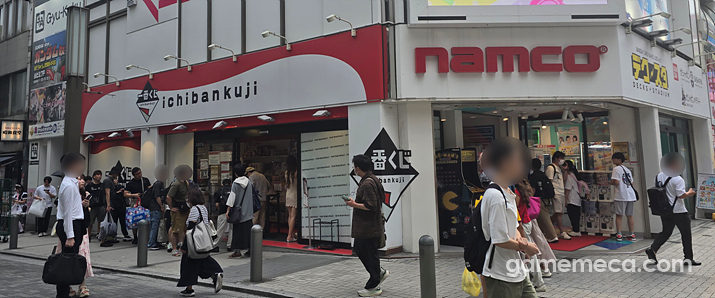
There was a time when Akihabara and Ikebukuro were considered mandatory pilgrimages for any gamer visiting Japan. While one could argue there are better locales, these districts were the gold standard—clustered hubs in the heart of Tokyo where games, subculture content, and merchandise collided in a glorious, chaotic mess.
However, just as the landscape of game retail has shifted dramatically in Korea post-pandemic, the scene in Japan has undergone a seismic transformation. Simply put: software shops are rapidly morphing into IP showrooms. In tourist-heavy districts, developers are planting flags with official branded stores, treating their titles not just as software, but as anchors for expansive media-mix strategies.
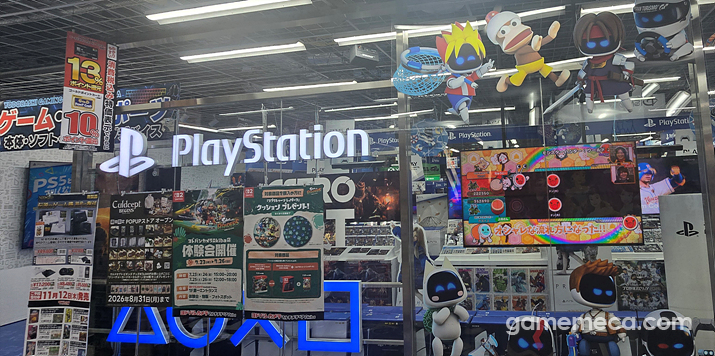
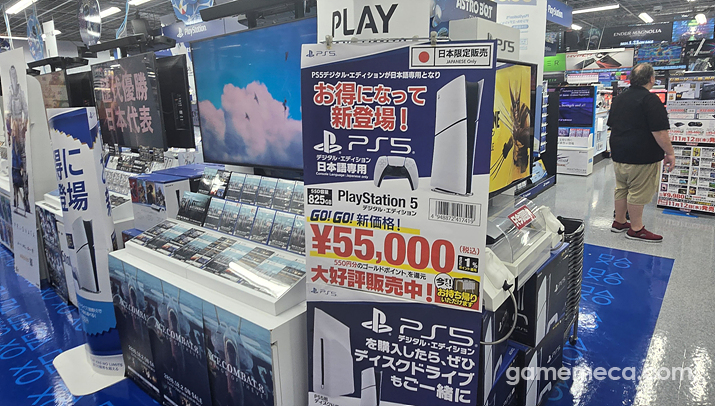
Perhaps it is this shift that explains why local retailers and gamers reacted with such lukewarm indifference to Sony’s move to stop selling physical discs. Download stores were already thriving before the pandemic, and for many, the preference for digital is a practical response to natural disasters. One gamer in Kanda told me, 'I switched to digital stores after the Great East Japan Earthquake, when I realized I couldn't use the games I had piled up.'
The atmosphere among staff and visitors felt similarly unfazed. The focus for younger gamers has moved away from mere software acquisition toward collecting merchandise or visiting experiential cafes. The presence of major developers like Cygames, HoYoverse, Happy Elements, and Yostar—all doubling down on IP-driven strategies—has effectively cushioned the blow of the transition.
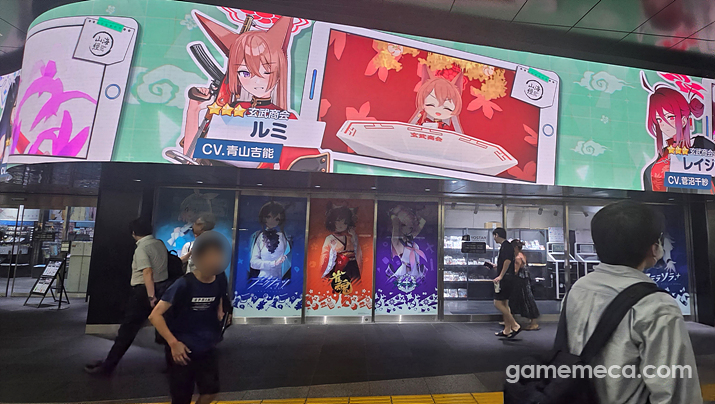
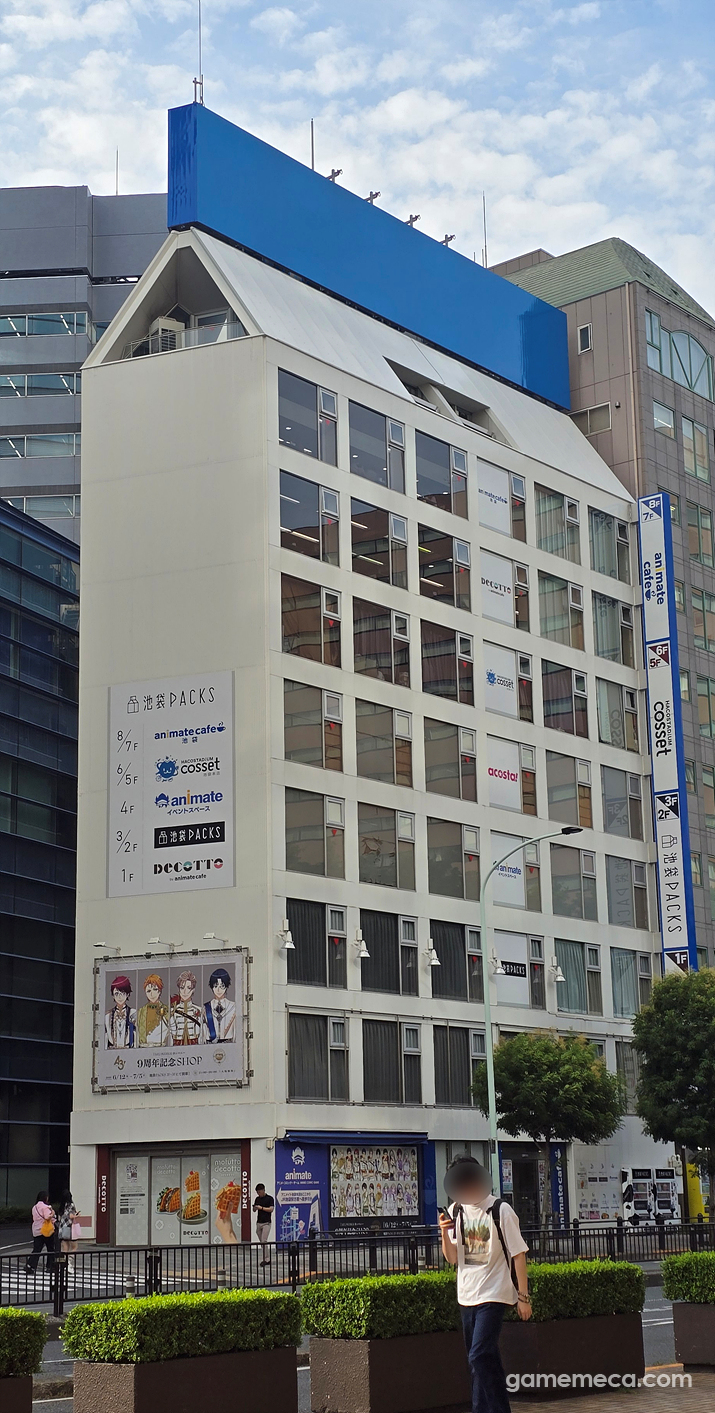
While trekking through Tokyo’s gamer hotspots, I found that many locals now prioritize live-service mobile games. These titles dominate the space with stage events, collaboration cafes, and dedicated photo zones. Even outside the realm of gaming, many shops are carving out booths for popular anime and manga, proving that the 'experience' is now king.
The most surprising development was how major game companies are curating their offline spaces. Rather than pushing the game software itself, they present the IP as the main event, with the game serving merely as one entry point in a larger media-mix ecosystem.
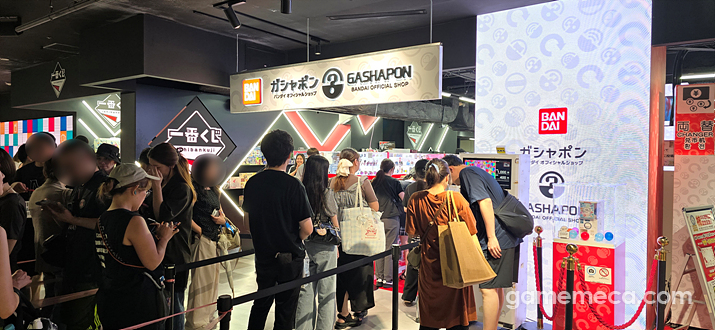
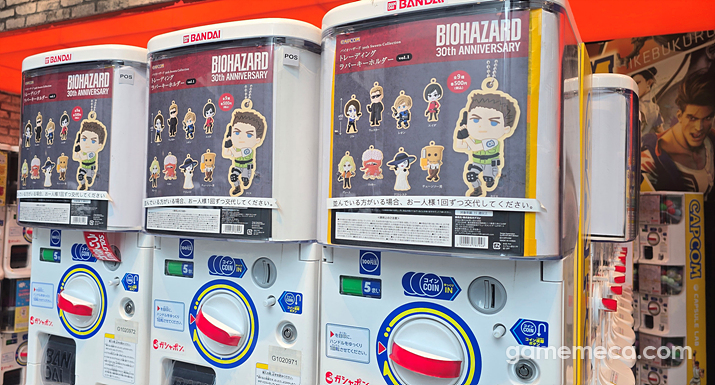
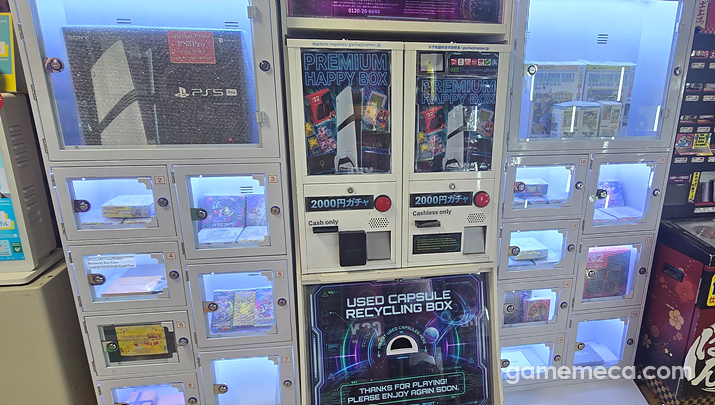
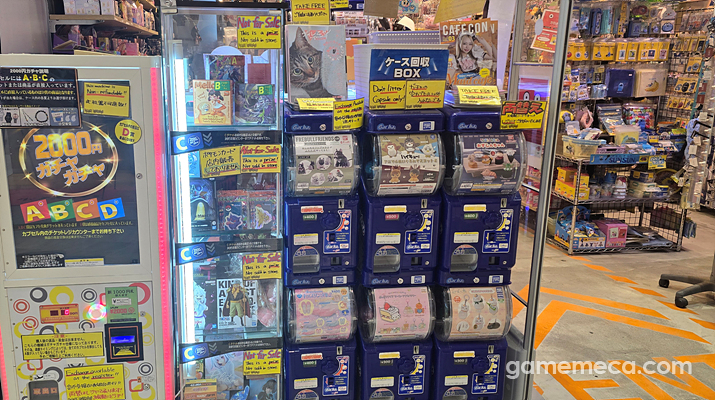
The situation is much the same for shops once famous for affordable second-hand packages. These stores have largely pivoted to selling secondhand merch or gachapon. While a few stalwarts for classic titles remain, the space dedicated to physical new releases has shrunk significantly.
Retailers specializing in pre-owned titles also gave a measured response to Sony’s policy. Some noted that since they don't focus on new retail anyway, the impact is negligible; others pointed out that the scarcity of retro games keeps their business afloat. Most agreed that the trade of new physical titles has already migrated to online platforms.
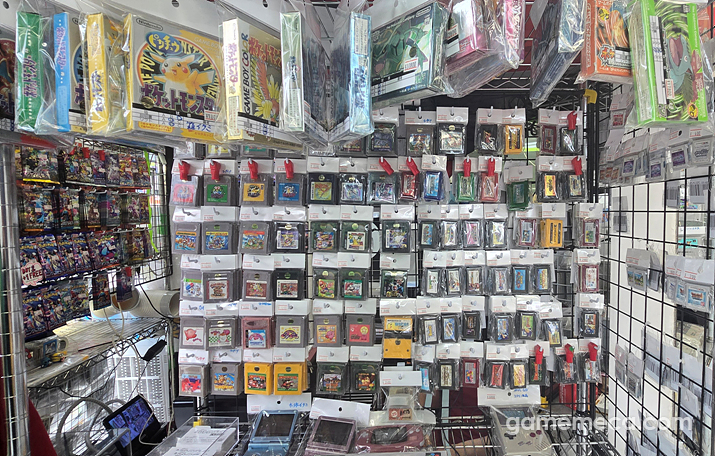
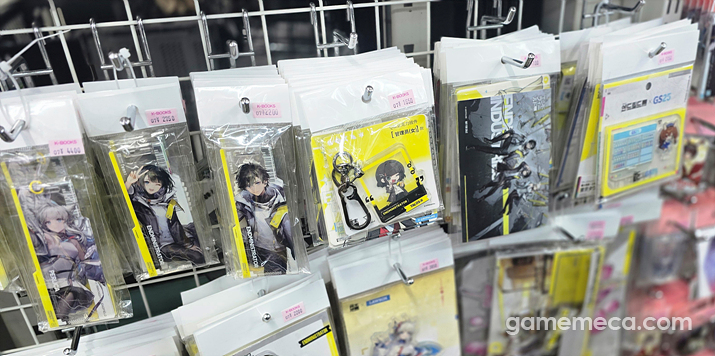
Much like in Korea, the secondhand market has moved online to platforms like Yahoo Auctions or Mercari. Physical stores are now mostly magnets for curious locals hunting for rare finds or international tourists—who, thanks to the weak yen, are finding better deals here than back home. It is quite common to see 'tax-free' signs plastered in multiple languages.
Finding a shop in Tokyo with a robust selection of both new and used game titles is becoming a rare feat. You have to hunt for them in the likes of Pokémon Center, Surugaya, Book Off, or the electronics giant Yodobashi Camera. Everywhere else, the focus is squarely on products, media-mix events, and offline engagement.
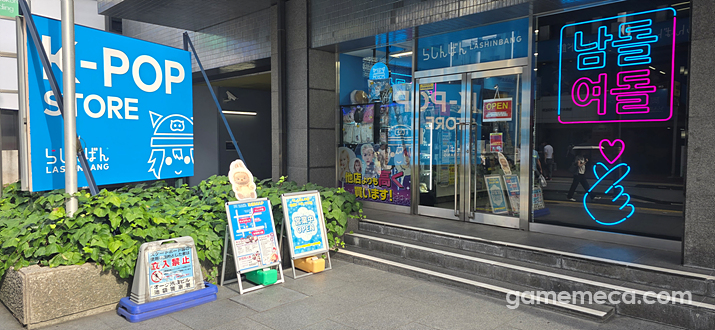
A curious footnote: some secondhand retailers are even opening dedicated K-Pop stores in Ikebukuro, proving they will chase any robust fandom. Japan’s offline gaming scene, once the beating heart of the industry, has long since entered a post-disc era, reinventing itself as a hub for IP-based experiences.
한때 일본 여행을 가는 게이머들이 반드시 방문해야 할 곳으로 아키하바라와 이케부쿠로가 손꼽히던 때가 있었다. 물론 더 나은 장소도 있겠지만, 도쿄 도심에 위치한 번화가라는 점과 다양한 매장이 한곳에 모여 있다는 점, 게임과 함께 여러 서브컬처 관련 콘텐츠 혹은 굿즈를 만날 수 있다는 것이 그 근거였다.
하지만 팬데믹 시대가 지나고 국내에서도 게임 매장 분위기가 대폭 바뀌었듯, 일본 현지에서도 이러한 기조가 크게 적용됐다. 실제로 최근 일본 게임 매장들은 소프트웨어 판매점에서 IP 쇼룸으로 탈바꿈하고 있다. 특히 관광객들이 주로 방문하는 지역이나 번화가에는 게임 개발사들이 자사의 이름을 건 공식 스토어를 열고, 자사의 게임을 미디어믹스와 접목해 IP로 활용하는 듯한 모습이 크게 관측됐다.
이러한 경향이 반영되어서일까. 현지 매장 관계자들이나 고객들은 소니 측의 디스크 패키지 판매 중단에 대해 예상보다 다소 미적지근한 반응을 보였다. 팬데믹 이전부터 다운로드 스토어가 활성화되어 있었으며, 지진 등 자연재해로 인해 패키지보다 다운로드를 선호하는 게이머도 많다는 이유다. 칸다에서 만난 한 게이머는 “지진 이후 사뒀던 게임을 쓰지 못하게 된 뒤 다운로드 스토어를 쓰게 됐다”며, 온라인 전환 계기가 동일본 대지진임을 언급하기도 했다.
매장 관계자나 방문객들 또한 소니의 디스크 패키지 폐지라는 변화에도 큰 체감을 느끼지는 않는 듯한 분위기였다. 이는 게임 구매가 아닌 상품 수집이나 체험형 카페 방문으로 목적이 변화한 젊은 게이머들의 분위기가 반영된 것으로 보였다. 사이게임즈, 호요버스, 해피 엘리먼츠, 요스타 등 현지에서 큰 인기를 끈 게임을 만든 다양한 개발사 및 유통사들이 굳건한 IP를 기반으로 한 여러 전략을 선보이며 매장의 분위기를 바꾼 점도 충격을 완화하는 것에 영향을 주었다.
도쿄 내에서 게이머들이 자주 방문하는 번화가와 집중 지역을 취재하는 동안 만난 게이머 다수가 라이브 서비스 중인 모바일게임을 선호한다는 점도 중요했다. 해당 장르들은 현지에서 무대, 컬래버레이션 카페, 포토존 운영 등 적극적인 협업 행사를 주력으로 내세우고 있고, 이에 대한 성과도 높기 때문이다. 일부 매장에서는 비단 게임이 아니더라도 유명 애니메이션이나 만화와 협업해 별도 부스를 확보하는 경향도 확인됐다.
의외의 요소가 두드러진 곳은 대형 게임사들의 오프라인 매장 현황이었다. 자사의 게임을 메인으로 내세우기보다, IP를 대표적으로 선보이고 게임은 이를 즐길 수 있는 미디어믹스의 일환으로 보여주는 듯한 구성을 취하고 있었다.
중고 패키지를 합리적인 가격에 구할 수 있는 것으로 국내 인지도가 높았던 매장들이나 상가 단지도 상황은 마찬가지였다. 이들 매장 역시 현재는 중고 굿즈 거래 매장 혹은 가챠숍이 입점했거나 한 매장 내에서 이를 겸하는 경향을 확인할 수 있었다. 상대적으로 고정 수요가 있는 유명 중고 패키지 판매처는 살아있는 경우가 많았지만, 신작 중심의 패키지를 적극적으로 취급하는 공간은 크게 줄어든 경향이었다.
중고 타이틀을 핵심적으로 취급하는 매장 관계자 또한 소니의 패키지 판매 정책에 대해 미묘한 반응을 보였다. 애초에 신품을 중점적으로 취급하지 않고 있기에 영향력이 그리 크지 않다는 이야기나, 고전 게임의 희소성은 날로 높아지고 있어 당장의 우려는 크지 않다는 반응이었다. 더불어 중고 신작 패키지는 현지에서 주로 온라인으로 거래되기에 특히 체감이 낮을 것 같다는 이야기도 들을 수 있었다.
일본 게이머들의 중고 거래 또한 한국과 유사하게 야후 옥션이나 메루카리 등 온라인상 거래에 치중되어 있다. 오프라인 중고 취급 매장은 간혹 희귀품이 있는지 궁금해 방문하는 현지 게이머와 해외 관광객들의 집중도가 높은 상황이다. 특히 서구권 게이머의 경우 엔저 덕분에 자국에서 사는 것보다 합리적인 가격으로 구매할 수 있다는 이야기를 전했다. 실제로 국내에도 잘 알려진 일부 매장들은 면세 적용이 가능하다는 표시를 다양한 언어로 붙여 두었다.
도쿄 내에서 잘 알려진 게이머들의 주요 방문 지역 중 신품과 중고를 포함해 게임 타이틀을 많이 볼 수 있는 곳은 이제 제법 드물어졌다. 포켓몬센터나 스루가야, 북오프 등의 인기 대형 매장이나, 종합 전자제품 매장인 요도바시 카메라 등지에서나 중고 혹은 신품 패키지를 볼 수 있었고, 이외에는 대부분이 상품이나 미디어믹스, 오프라인 이벤트에 집중하고 있었다. 게임사들의 이름이 걸린 공식 매장 또한 게임 패키지에 중점을 두기보다, IP의 핵심 미디어로 게임을 활용하는 듯한 분위기다.
이외에 다소 특기할 만한 점으로는 일부 중고 상품 취급 매장들이 케이팝(K-pop) 전용 매장을 이케부쿠로에 새로 여는 등 장르를 불문하고 팬덤이 굳건한 장르라면 영역을 가리지 않고 취급하는 모습을 보여주었다. 이렇듯 게임 산업의 중심 중 하나로 손꼽히던 일본 오프라인 게임 매장들은 일찍이 탈디스크 시대를 맞이했으며, 이제는 새로운 활로를 찾아 IP 기반 체험 공간으로 거듭나는 경향을 보여주고 있는 듯했다.
This news was translated by AI.

I am dedicated to games and writing. viina@gamemeca.com
READ MORE
-
 [gamescom 26] CDPR to reveal information on new expansion for The Witcher 3: Songs of the Past
-
 [Today's Steam] The most anticipated new release at the train festival, 'Denshattack!'
-
 Horror in the Summer? Blue Archive 'Kivotos Unconfirmed Mystery' Released
-
 Nippon Ichi Software's Life Simulation 'Silent Countryside Garden Story' Physical Pre-orders Begin
RECOMMENDED NEWS
MOST POPULAR NEWS
- Dplus KIA Admits Salary Delays, Confirms Club Sale in Progress
- Deciding the Path to Champions, VCT Pacific Stage 2 Opening Announced
- Shoulder to shoulder with Ronaldo, Faker named Esports World Cup ambassador
- Catch! Teenieping Arrives in KartRider Rush+ Collaboration
- Adventure with Cute Summons, New MMO 'Dream Traveler: Starlight Journey' Released
- Learn card games at the station, 'Pokémon Mega Festa' kicks off in Busan
- GTA 6 Estimated to Have Earned $260 Million in Pre-orders Within 3 Weeks
- [Monster Hunter Wilds] Price permanently reduced by 45% starting August 4th
- League of Legends to Host Wild Fan Fest at Hyundai Department Store in Yeouido and Pangyo
- FromSoftware's new title 'The Duskbloods' to hold test in August
MEDIA PARTNERSHIPS


GAMEMECA SNS