
The reason why 'ARC Raiders', which collects 30TB of data daily, remains safe
매일 30TB 데이터 수집하는 '아크 레이더스'가 무사한 이유
2026.06.17 14:20 UTC+9
AI Summary
Embark Studios reveals how they process 30TB of data daily. They use custom, lightweight pipelines to keep games balanced and secure. The team prioritizes democratizing data to empower all developers.
Embark Studios has finally pulled back the curtain on how they juggle a staggering 100 billion data points generated every single day without breaking a sweat.
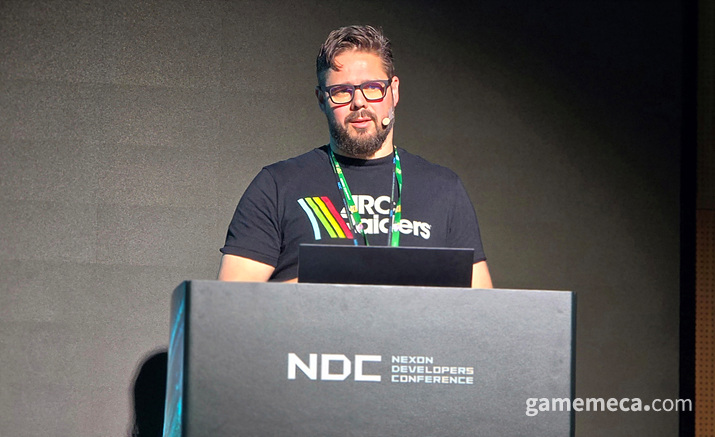
During the second day of the NEXUS Co., Ltd. Developer Conference 2026 (NDC26) on the 17th, held at the International Conference Hall in the Gyeonggi Content Agency building, Mathias Andersson from Embark Studios took the stage. The man behind the data for 'THE FINALS' and 'ARC Raiders' explained exactly how his team built a platform capable of tracking every single bullet fired in-game, all while ensuring the player experience remains silky smooth and entirely unaffected by the heavy lifting.
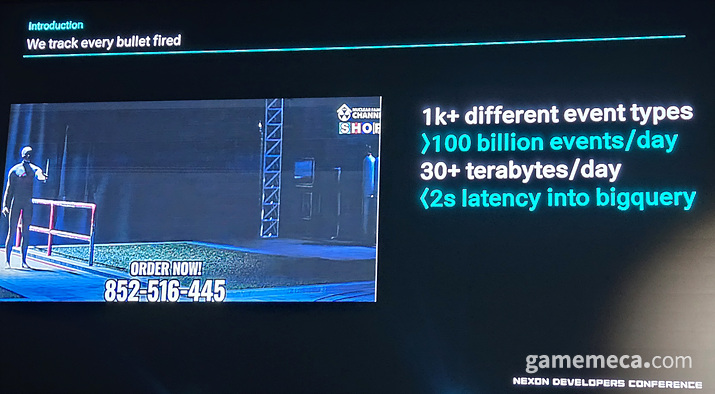
According to Andersson, the sheer volume of data is mind-boggling. They track over 1,000 different event types, hitting peaks of 100 billion events per day—that is a massive 30 terabytes of data daily. But it is not just about hoarding digital logs; they treat this data as a vital asset to keep the games fair, fun, and competitive.
The primary goal, as you might expect, is security. By tracking every trajectory, they can instantly spot shots that defy physics or movement patterns that are simply impossible for human players. Beyond catching bad actors, they use the data to keep the game balanced—tweaking weapon damage or accuracy if something feels a bit too 'God tier game'. They even track who fires first in a skirmish to gauge player style, helping to match aggressive players with like-minded opponents.
Now, you might be thinking: collecting hundreds of billions of events in real-time surely drags the game down or costs a fortune? Andersson insists that while the game itself is complex, the data aggregation should be anything but. He noted that they chose a 'strictly isolated architecture' to ensure that the data collection pipeline never interferes with the game’s actual performance.
The team essentially parked a custom application right alongside their Unreal-based game server. The server bundles the barrage of firing events into small, 30-per-second batch processes before passing them off. This keeps memory usage focused on tracking real-time state changes, such as player movement and cumulative damage, without the overhead.
Once a round wraps up, the data is tidied into a single file, negating the need for a bloated, complex database. It is a delightfully lightweight and intuitive approach that turns raw logs into concise summary statistics efficiently. Because they designed this bespoke bundling system themselves, they manage to keep costs surprisingly low even when dealing with massive datasets.
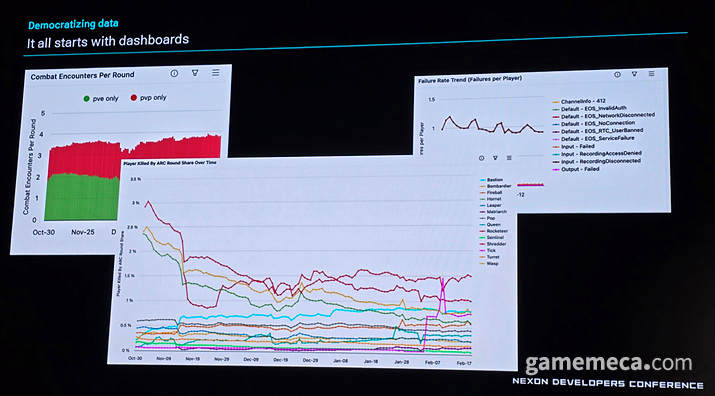
Andersson also hammered home a vital point: the data team should never be the sole gatekeepers of information. He advocates for 'Democratizing Data', ensuring that everyone—from developers to map designers—can poke around the data themselves. Their star tool? The 'Round Viewer'. It is a simple, no-nonsense list page that lets anyone pull up player lists, server error logs, or a specific player's pathing for the day. It has quickly become the most versatile tool in their arsenal.
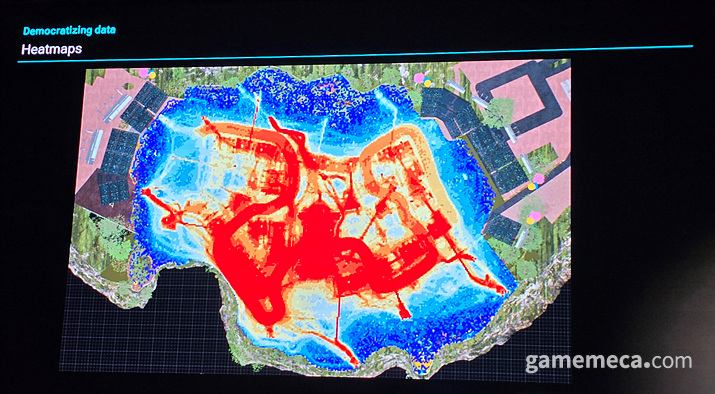
The 'Map Replay' tool is another stroke of genius, visually reconstructing how players moved through a round and where they took their final shots. It is an invaluable way for map designers to spot geometry exploits or suss out cheaters moving at unnatural speeds. They have even developed an Unreal engine plugin that overlays heat maps directly into the editor, allowing them to see player interactions in real-time without ever leaving their workspace.
In short, if you want to process massive real-time game data without burning a hole in your pocket, you need a strategy rooted in simplicity and efficiency. But perhaps more importantly, you need a vision that prioritizes democratizing that data, making it a shared asset for everyone building the game.
엠바크 스튜디오가 매일 생성되는 최대 1,000억 개 가량의 데이터를 막힘없이 처리하는 노하우를 공개했다.
넥슨 개발자 콘퍼런스 2026(이하 NDC26) 2일 차인 17일, 경기창조혁신센터 지하 2층 국제회의장에서 진행된 이번 세션에는 '더 파이널스' 및 '아크 레이더스' 개발사 엠바크 스튜디오의 데이터 엔지니어 마티아스 안데르손 연사가 참가했다. 안데르손 연사는 게임 내에서 발사되는 모든 총알 하나하나를 빠짐없이 포착할 수 있는 데이터 플랫폼을 구축한 과정과, 이것이 실제 게임이나 플레이 경험에 영향을 주지 않으면서도 원활하게 수집되는 노하우에 대해 설명했다.
마티아스 연사에 따르면, 엠바크 스튜디오가 수집하는 데이터의 규모는 방대하다. 이들이 추적하는 이벤트 유형만 1,000가지가 넘으며, 플레이어가 가장 많을 때는 하루 1,000억 개 이상의 이벤트, 즉 일일 30테라바이트에 달하는 데이터가 누적된다. 이들이 단순히 기록을 남기는 것을 넘어 게임 데이터를 모으는 이유는 수집된 데이터가 기술적인 기록에 그치지 않고, 게임을 더 재미있고 공정하게 만들기 위한 핵심 자산으로 활용되기 때문이다.
대표적인 활용 목적은 부정행위 사용자 차단으로 게임의 보안을 유지하는 것이다. 모든 탄도를 추적하기에 정상적인 플레이어가 쏠 수 없는 궤적이나 비정상적인 움직임을 파악할 수 있어 불법 프로그램 사용자를 신속하게 선별한다. 이와 함께 일반 데이터를 분석해 특정 무기가 너무 강력하거나 약하지 않은지, 정확한 피해량과 명중률 수치를 파악해 게임 균형을 조절한다. 교전 발생 시 '누가 먼저 쐈는가' 등을 추적해 플레이어의 성향을 분석하고, 공격적인 사용자는 공격적인 사용자끼리 만날 수 있는 대전 상대 검색 지원도 가능하다.
이와 같이 라이브 서비스 중인 온라인 게임으로부터 수천억 개의 데이터를 실시간으로 모으다 보면, 게임이 느려지거나 비용이 과다하게 발생하지 않을까 하는 우려가 생기기 마련이다. 마티아스 연사는 "게임은 복잡해도 데이터 집계는 상대적으로 단순해야 한다"고 강조했다. 그러면서 "데이터 수집 인프라가 게임 성능을 방해하지 않도록 철저하게 격리하는 구조를 선택했다"며, 데이터 수집의 효율성을 극대화하기 위해 독창적인 파이프라인을 설계했음을 밝혔다.
우선 개발진은 언리얼로 만든 게임 서버 측면에 독자적인 애플리케이션을 상주 시켰다. 게임 서버는 매 프레임 발생하는 수많은 발사 이벤트를 초당 30회의 소용량 일괄 처리 형태로 묶어서 애플리케이션에 전달한다. 이 데이터는 메모리 상에서 플레이어 이동 거리, 누적 피해량 등의 상태 변화를 실시간으로 집계하는 일에 사용된다.
이렇게 일괄 처리된 데이터는 라운드가 끝나면 하나의 파일처럼 정리돼 전송되기에 복잡한 데이터베이스나 파이프라인을 요구하지 않는다. 즉, 가볍고 직관적인 코드를 적용하는 방식으로 한 라운드 내 게임에 대한 정보를 취합한 요약 통계를 낼 수 있다는 것이다. 이 데이터는 비용 절감을 위해 한 번에 묶여서 전송되는 자체 설계가 적용된 만큼 방대한 데이터도 상대적으로 저렴하고 효율적으로 분석할 수 있다.
그러면서도 마티아스 연사는 "데이터 팀이 분석을 독점하고 결과를 통보하는 방식은 지양해야 한다"고 지적했다. 사내 개발자, 지도 디자이너 등 누구나 직접 데이터에 접근할 수 있는 '데이터 민주화(Democratizing Data)'를 최우선 가치로 삼아야 한다는 설명이다. 이를 위해 개발한 대표적인 도구가 바로 '라운드 뷰어'다. 이는 특정 라운드의 사용자 플레이 목록, 오류가 발생한 서버 기록, 특정 플레이어 식별자의 당일 동선 등을 한눈에 파악할 수 있는 목록 페이지로, 단순한 표 형태지만 사내에서 가장 자주, 다목적으로 활용되는 도구다. 라운드 뷰어와 연동되어 작동하는 '지도 재생' 맞춤형 도구 또한 유용한 도구로 쓰인다.
지도 재생은 특정 라운드에서 플레이어들이 어떻게 움직였고 어디서 피해를 입고 사망했는지를 시각적으로 재생해 준다. 이를 통해 지도 디자이너들이 의도치 않은 지형지물 악용이나 비정상적인 속도로 움직이는 부정행위자를 직관적으로 검증하는 데 핵심적인 역할을 한다. 나아가 여러 라운드의 데이터를 누적한 2차원 열지도(Heat map)뿐 아니라, 언리얼 게임 엔진 내부에 열지도를 직접 표시해 주는 플러그인을 개발해 개발 창을 벗어나지 않고도 사용자들의 상호작용 공간을 실시간으로 확인하며 작업할 수 있다.
즉, 게임 내에서 실시간으로 수집되는 데이터를 상대적으로 저렴하고 경제적으로 가공하기 위해서는 '단순함'과 '효율성'을 중시한 계획과 전략이 필요하다. 더불어 이를 개발과정에 있는 누구나 사용할 수 있도록 '민주성'을 갖춘 별도의 가공과 비전이 필요하다는 점이다.
This news was translated by AI.

Shin Jae Yeon, Reporter
I am dedicated to games and writing.viina@gamemeca.com
READ MORE
-
 NC's 'Facial Animation' technology that reduces post-processing costs
-
 Google DeepMind's Growth Foundation Rooted in 'Game DNA'
-
 "We Will Return with a Reboot": CounterSide Announces Service Termination
-
 Anticipation for 2.5th Anniversary Drives Genesis Mobile to No. 1 on One Store
-
 AION Now Supports Mobile Remote Play via PURPLE ON
-
 Demonologist Arrives, Diablo Immortal 'Blood-Soaked Gem' Update
-
 Lord Nine turns 2, live broadcast announced for the 23rd
-
 Clive Barker's Hellraiser Revival Confirmed for October 8 Release

MOST POPULAR NEWS
- Girls' Frontline mobile competitive shooter development halted after 8 months
- [Today's steam] New hide-and-seek game where you paint your own body to blend in draws attention
- The Elder Scrolls 6 reaches playable build stage
- Agency that leaked MapleStory showcase information hit with 50 million KRW damages lawsuit
- CEO Kim Ji-hoon: Subculture Users Desire the 'Pain' Extracted from Creators
- Development Resumes for Princess Maker: Children of the Prophecy, Update Scheduled for Late June
- Realistic Promotion Strategies Introduced by Small Indie Developers
- [Weekly Game Comic] Dismissing the veteran meritorious retainer, Crazy Arcade BnB
- [Meca Ranking] What is your true form? TOP 5 abnormally light Pokemon
- [Hidden Gems] The meeting of Roguelike and Total War, 'Tabletop Tavern'
MEDIA PARTNERSHIPS


GAMEMECA SNS