
Why is the National Library of Korea hosting an exhibition on 'Preserving Discontinued Games'?
국립중앙도서관이 ‘단종된 게임 보존’ 전시회 여는 사연은?
2026.07.09 20:37 UTC+9
AI Summary
The National Library of Korea is hosting an exhibition to preserve discontinued Korean games. The library aims to save vanishing digital heritage through AI restoration and systemic archiving. They are calling for policy improvements to overcome copyright barriers and secure our gaming history.
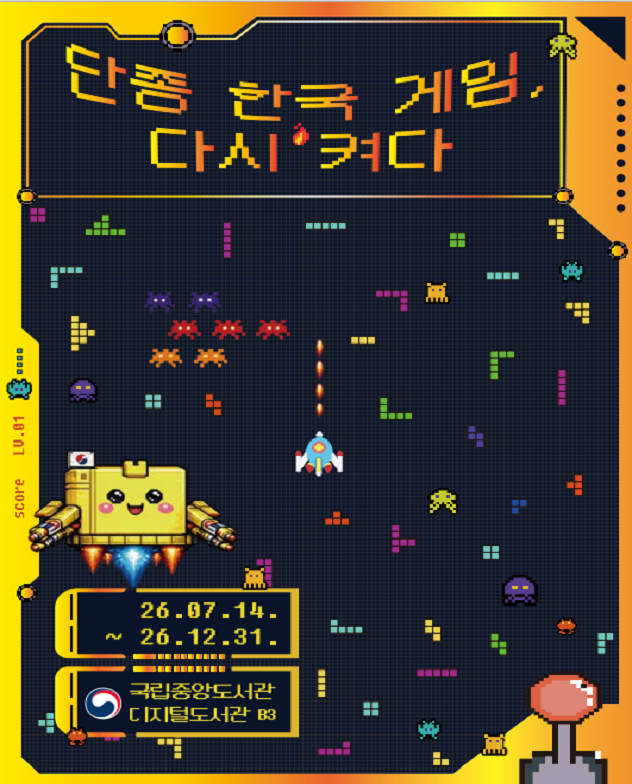
With the service termination of nostalgic online titles such as Crazy Arcade BnB, and Sony's decision to cease production of PlayStation discs, awareness regarding 'game preservation' is rising both at home and abroad. At this critical juncture, news of an exhibition highlighting vanished Korean games has caught the eye of gamers everywhere.
Running from July 14 to December 31 at the National Library of Korea, 'Discontinued Korean Games, Powered Up Again' is set to open its doors. Focusing on materials from the library's own collection, the exhibit introduces titles that were once developed and distributed but are now difficult to access, alongside records of unreleased games. Notably, it will feature the first public reveal of the shooter 'If That Day Comes', which was reconstructed using AI technology after existing only in 1990s magazine advertisements.
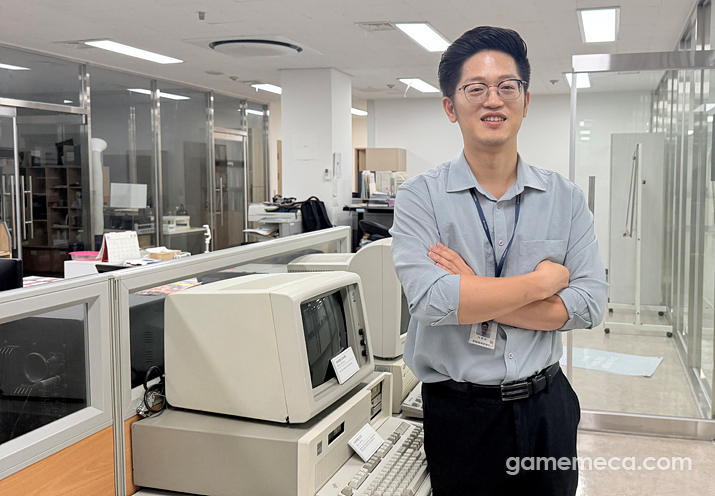
Why would the National Library of Korea, a place seemingly detached from the world of gaming, host an exhibition on 'game preservation'? I sat down with Lee Yeon-su, a curator at the National Library of Korea, to get the full story.
Lee Yeon-su has a background in IT and computer science, and even spent university days dabbling in game development as a hobby. Later, as a curator, Lee Yeon-su began to shed light on games that existed only as written records in books. Drawing on that collegiate experience, Lee Yeon-su personally handled the restorations. These efforts paved the way for research into the preservation of domestic games, and this exhibition serves as the first public fruit of that labor. It is, quite simply, the start of a broader preservation mission rather than the end.
Q: It is quite unusual for the National Library of Korea to host a game exhibition. Could you explain the background and intention behind this project?
A: The National Library of Korea views games not merely as entertainment, but as a complex cultural heritage that encapsulates the technology, culture, publishing, and distribution environment of an era. We believe that due to the ever-changing landscape of media and hardware, these are highly volatile materials that could vanish forever if not preserved immediately. We decided it was our vital mission to preserve everything from classic games in our collection to game-related materials stored on various analog media for future generations.This exhibition was planned to discover records of Korean games that appeared and vanished—or became inaccessible due to OS and hardware obsolescence—within our library materials, and to expand their role from mere preservation to research and experience, eventually establishing them as national digital cultural heritage.
Q: I am curious about the specific structure of the program and the number of games on display.
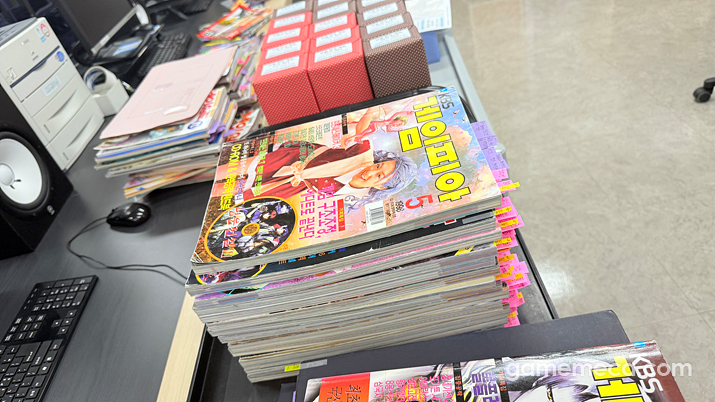
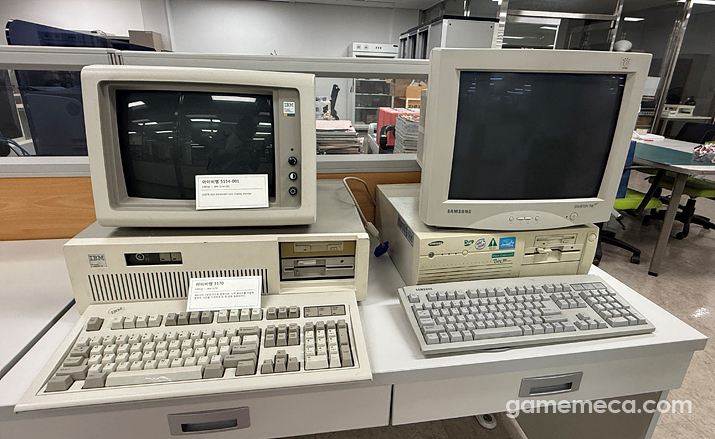
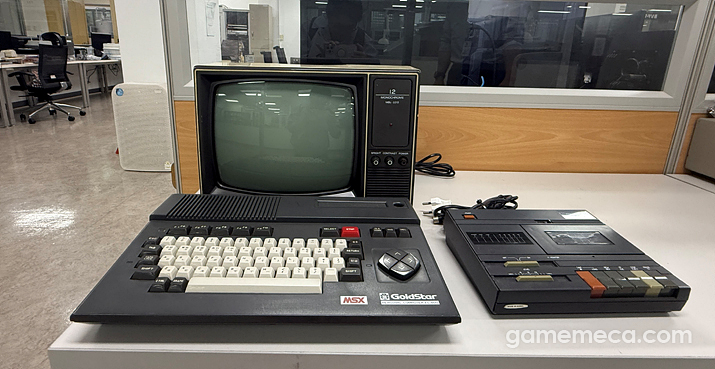
A: The exhibit is composed of game records from our archives, cases of unreleased or discontinued titles, game music and magazine materials, the process of treating and extracting data from obsolete media, and AI restoration and retro game experiences. We have prepared the exhibition by adding the library's own interpretations to the materials we hold.Playable titles include Wonder Boy, games restored by Team Neo (the indie team behind Zemmix Neo), and two titles restored by the library itself: 'Chorong's Adventure' and the aforementioned 'If That Day Comes', a title that was advertised in magazines but never completed.'Chorong's Adventure' is significant as the first domestic FPS. As for 'If That Day Comes', we used AI to adapt the enemies and boss graphics from the original magazine ads to modern standards, and added a fresh interpretation by featuring the library's own mascots, 'Buki' and 'Tumi', as the protagonists.In total, 13 games are on display. Our selection criteria included historical significance, scarcity of materials, relevance to library holdings, and potential for future preservation. We believe that unreleased games existing only in magazine articles or development logs hold immense value in Korean game history. To help visitors soak in the atmosphere of the time, we have set up CRT monitors, joysticks, and gamepads, complete with guides to help with basic controls.
Q: Did the library handle the actual restoration of these classic games in-house?
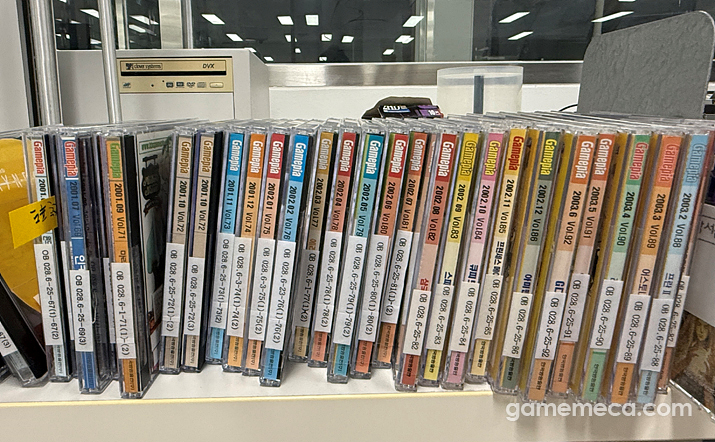
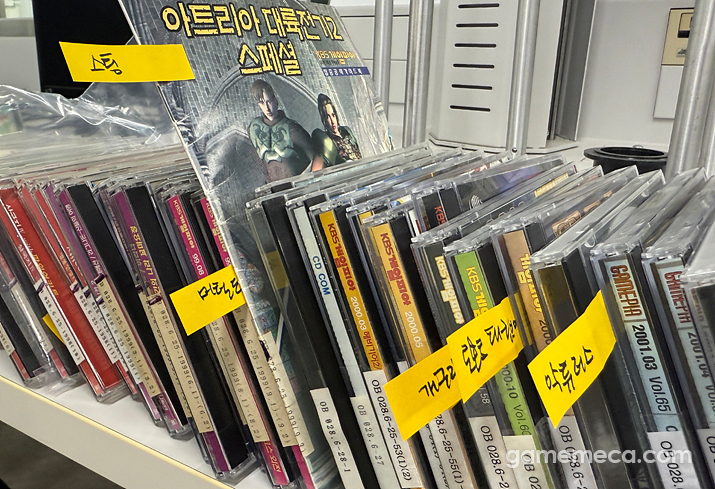
A: Under the Library Act, we collect and store games that come as supplements to books through mandatory deposits and donations. We have a significant number of PC and console materials, and while browsing them, I often thought, 'There are so many unreleased games here.' Beyond the games themselves, there are meaningful materials like Apple game code once used, which no longer exists on the internet but remains recorded in these books.While not a game, the Cultural Heritage Administration once attempted to register 'Hangul 1.0' as a cultural asset, but had to cancel it because no one could provide a copy. Even with a reward of 50 million won offered to the owner, it couldn't be secured. I believe we must work hard to preserve games before they meet the same fate.Furthermore, I looked for things that only a library could do—things that museums run by game companies like Nexon or Netmarble might not be able to tackle. We aim to act as a hub for games that exist only in archives, such as advertisements or news articles, to ensure that domestic games from the 80s and 90s are preserved before they are forgotten, and eventually, to create a space where people can view them offline.

Q: If the library has restored these games, it would be wonderful to provide access for viewing or playing them even after the exhibition concludes.
A: After the exhibition, we are exploring methods for permanent viewing and play, while carefully reviewing copyright, preservation status, running environments, and equipment maintenance. By law, libraries can make copies for preservation purposes. While online services for these games are impossible, it is feasible to archive the copies and provide access to them via emulation within the library.We are also considering distributing 'Chorong's Adventure' and 'If That Day Comes' via Steam. They may not be polished masterpieces, but they serve as a milestone, showing that the library is interested in forgotten games and is taking active steps. It is experimental, but I hope it serves as a catalyst for rediscovering old IP.
Q: Based on this, it seems the National Library of Korea is treating game preservation as a long-term project. What are the criteria and classification systems for depositing and collecting digital content like games?
A: Currently, we collect games that are included as supplements to books that have received an ISBN under the Library Act; we do not accept standalone games. Games are currently treated as having the characteristics of electronic, multimedia, or non-book materials. When depositing or collecting, we verify the media, packaging, manuals, accessories, and publication/production information. In the long term, I believe it is necessary to manage these while linking them to execution environments such as OS and hardware, as well as rights information like copyright.
Q: A game is a 'complex entity' combining code, graphics, sound, and an execution environment. Are you building a unique metadata classification system for games, distinct from books?
A: In a foundational study conducted last year, we determined that basic information like title and developer is insufficient. Taking 'The War of Genesis' as an example, the title alone makes it difficult to distinguish whether it is a game or the Book of Genesis from the Bible.Accordingly, we have designed metadata capable of expressing rich context. We plan to record basic information like title, genre, and release date, alongside production/distribution/copyright entities, physical media vs. digital distribution methods, execution environments (OS, hardware, controllers), online status, language, age ratings, and current preservation status.
Q: What is the preservation status of games deposited during the PC package era?
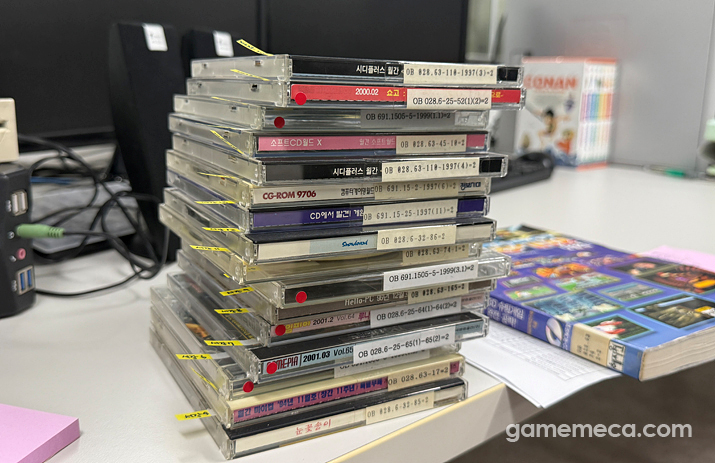
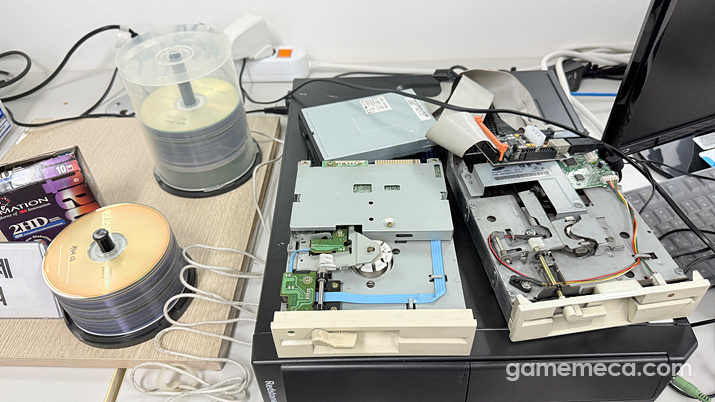
A: 5.25-inch floppy disks, CD-ROMs, packages, and user manuals are suffering from magnetic degradation, mold, scratches, corrosion, and lost components over time. Even if you have the physical media, it is difficult to use the game without the correct execution environment or user manuals. Verifying the physical state and playability of these materials was a crucial part of this exhibition.Therefore, we are performing annual tasks to ensure these materials can run in digital environments through digital forensics and media migration. We are also working in parallel to develop emulation technology and the necessary OS environments to run them.
Q: Are there any future tasks identified through your foundational research?
A: First is the construction of a database for game lists and material information scattered across the country. To achieve this, we are preparing to build a cooperative system with private game museums, private collectors, and professional agencies like the Korea Creative Content Agency.Second is to establish metadata standards tailored to the characteristics of games, and to develop and distribute preservation criteria and technologies. We want to go beyond simple lists to grasp the context, serving as a vital access point for future search and utilization.Third is to build an integrated archive system that preserves everything: original media, executable files, packages, manuals, advertisements, magazine articles, and oral history from developers. Furthermore, I believe continuous investment is needed for environments to preserve specific media and to develop emulation technologies that replace specialized players and operating systems.This exhibition is the first step in showing the public the results of last year's research. If last year's study focused on conceptualizing game lists and preservation directions, this project connects the actual games and materials held by the library to user experiences, explaining the justification for why a library must preserve games.
Q: How can we preserve online games that lack physical packages?
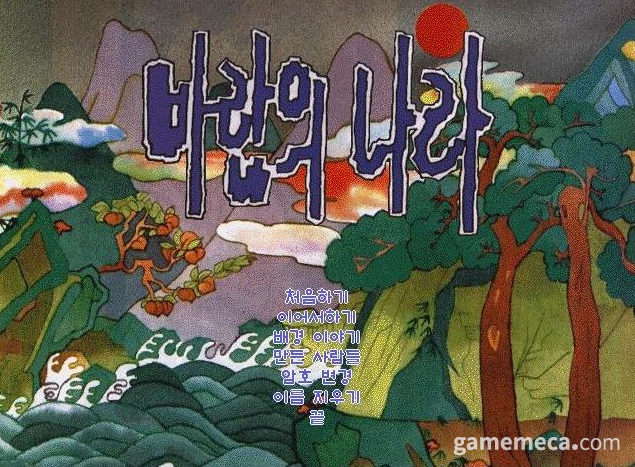
A: Digital games do not end with just the preservation of executable files. We must also save servers, patch histories, account systems, user communities, operational notices, and event records. Therefore, we need a cooperative model where developers and platform operators provide data packages for preservation or access procedures for research before service termination. Since building large-scale storage, servers, and network environments requires a massive budget, this must also be considered, but it is clear that management at the national and public level is necessary.We could apply a method where rights are transferred to users to remain as private servers upon service termination, or discuss with companies to receive version 1.0 deposits. I understand that when Nexon restored The Kingdom of the Winds, they didn't have version 1.0, so they rebuilt it based on the client version included as a book supplement. Archiving version 1.0 is essential. Besides that, it would be interesting to preserve the original character art to observe the evolution of designs over the years.Part of a curator's work includes oral history collection. This involves listening to the experiences of people who lived through historical events and recording them. For online games, it would be worth considering the preservation of unrecorded content like the experiences, memories, and behind-the-scenes stories of contemporary users.
Q: Sony announced it would stop producing game discs from January 2028. As consoles, like PCs, shift away from physical discs to digital-only, game preservation is becoming realistically difficult. What are the practical difficulties you face as a researcher regarding game preservation?
A: The biggest difficulty is that it is hard to identify who has what materials where, and even when we do, we must resolve rights relationships like copyright. Also, old media are physically prone to damage, and modern digital games are tied to servers and platforms, creating a limitation where a library cannot preserve them alone.For long-term preservation, we need media preservation, data extraction, emulation, virtualization, and execution environment technologies. We must record sufficient metadata about execution conditions and required environments so that researchers can reproduce games even if the OS or hardware changes, and we must develop emulation technology that can run them in virtual environments in the future.
Q: The Ministry of Culture, Sports and Tourism is also pushing for the construction of a Korea Game Museum. Alongside building the museum, policy support for game preservation and settling legal disputes like copyright should be prioritized. What parts do you think need improvement or supplementation in terms of law and policy?
A: Game preservation is an area where digital cultural heritage conservation, copyright protection, game industry promotion, and user access rights intersect. We need to clarify legal grounds and procedures in the Library Act, the Game Industry Promotion Act, and the Copyright Act so that public institutions can safely deposit, collect, digitize, and provide restricted access for research and preservation purposes. If a game museum is built, we must also prepare data standards for national-level preservation and a rights consultation system for public use.
Q: Even if a game is discontinued, the copyright still belongs to the developer or creator. What were the legally ambiguous or difficult parts when negotiating copyright (usage permission) to restore and publicly display discontinued games for this exhibition?
A: Rights relationships are often unclear due to developer bankruptcy, transfer of rights, joint development, or overseas distribution. For this exhibition, we made it a principle to identify rights holders and obtain permission whenever possible, but for older games, identifying the rights holder itself is often difficult.To address this, we need to actively search for rights holders, similar to the concept of 'orphan works' in general publishing. A system must be established where public preservation institutions can use works in a limited capacity for preservation and research after a substantial search process, with procedures for compensation or cessation if a rights holder appears later. We must work together with government ministries and copyright organizations to achieve this.
Q: Any final words?
A: The National Library of Korea planned this exhibition because we felt that the games that came with books needed preservation and management, and we wanted to build a consensus on this. We are highlighting the library as a place where 'forgotten games remain right here.' The difficulty level of the restored games is set so that fathers and sons can come and enjoy them together, so I ask for the interest of gamers who want to revive those memories.
크레이지 아케이드 비엔비 등 추억의 온라인게임 서비스 종료, 소니의 플레이스테이션 디스크 생산 중지 결정 등으로 국내외에서 ‘게임 보존’에 대한 경각심이 높아지고 있다. 이러한 시점에 사라진 한국 게임을 조명하는 전시회가 열린다는 소식이 전해지며 게이머들의 이목을 집중시켰다.
오는 7월 14일부터 12월 31일까지 국립중앙도서관에서 ‘단종 한국 게임, 다시 켜다’가 개최된다. 도서관이 소장한 한국 게임 관련 자료를 중심으로 한때 개발 및 유통됐으나 이제는 쉽게 접하기 어려운 단종 게임과 미발매 게임 기록을 소개한다. 특히 1990년대 게임 잡지 광고로만 남은 슈팅 게임 ‘그날이 오면’을 AI 기술로 재현해 최초로 공개한다.
게임과는 다소 거리가 있어 보이는 국립중앙도서관에서 ‘게임 보존’을 주제로 한 전시회를 마련한 이유는 무엇일까? 국립중앙도서관 이연수 학예연구사를 직접 만나 자세한 이야기를 들어봤다.
그는 IT/전산을 전공했고, 대학생 시절에 취미로 게임을 만들어보기도 했다. 이후 학예연구사로 근무하며 게임 관련 책에 기록으로만 남은 게임을 조명하게 됐고, 대학생 시절 경험을 살려 직접 복각했다. 이러한 시도가 국산 게임 보존에 대한 연구로 연결됐고, 그 첫 결과물을 전시회를 통해 이번에 대중에 선보이기에 이르렀다. 전시회는 끝이 아닌 게임 보존 활동의 시작인 셈이다.
Q: 국립중앙도서관에서 게임 관련 전시회를 연다는 점이 특이하게 느껴진다. 이번 전시회를 기획한 배경과 의도가 무엇인지 설명 부탁드린다.
A: 국립중앙도서관은 게임을 단순한 오락물이 아니라 한 시대의 기술, 문화, 출판, 유통 환경이 집약된 복합기록문화유산으로 보고 있다. 시간이 지날수록 새롭게 등장하는 매체와 하드웨어 등 실행 환경 변화에 따라 지금 당장 보존하지 않으면 영영 사라질 수 있는 휘발성이 높은 자료라고 판단했다. 더 늦기 전에 도서관이 소장한 고전 게임부터 다양한 아날로그 매체에 담긴 다양한 게임 자료를 보존해 미래에 전승하는 것이 중요한 사명이라 판단했다.이번 전시 역시 등장했다가 사라지거나, OS와 하드웨어 단종 등으로 더 이상 이용이 불가능해진 한국 게임의 기록을 도서관 자료 속에서 발견하고, 이를 보존에서 연구, 체험 대상으로 확장해 장기적으로 국가디지털문화유산으로 삼기 위한 목적으로 기획했다.
Q: 전시 프로그램의 구체적인 구성과 출품되는 게임 수가 몇 종인지 궁금하다.
A: 도서관 소장 자료 속 게임 기록, 출시되지 못하거나 단종된 게임 사례, 게임 음악과 잡지 자료, 단종 매체 보존처리와 데이터 추출 과정, AI 복원 체험 및 레트로 게임 체험으로 구성했다. 보유한 자료에 도서관의 해석을 더해 전시를 준비했다.체험 가능한 게임은 원더보이를 포함해 네오팀(재믹스 네오를 제작한 인디 개발팀)에서 복각한 재믹스 게임과, 도서관에서 보유한 자료를 토대로 자체적으로 복각한 ‘초롱이의 대모험’과 개발 사실이 잡지에 광고는 됐으나 완성되지 못한 ‘그날이 오면’이라는 타이틀까지 2종이다.‘초롱이의 대모험’은 국내 첫 FPS라는 의미가 있는 게임이다. 이어서 ‘그날이 오면’은 슈팅 게임으로 당시 소개된 적이나 보스 그래픽을 AI를 기반으로 현대에 맞춰 변환했고, 국립중앙도서관의 마스코트 캐릭터인 ‘부키’와 ‘투미’를 주인공 캐릭터로 삼아 재해석을 가미했다.그렇게 해서 총 13개 게임이 현장에 전시된다. 게임사적으로 최초로 등장하거나, 자료의 희소성, 도서관 소장자료와의 연결성, 미래 보존 가능성 등을 선정 기준으로 삼았다. 잡지 기사나 광고, 개발 기록으로만 남은 미출시 게임도 한국 게임사에 있어서 중요한 의미가 있다고 판단했다. 당시 감각을 느낄 수 있도록 CRT 모니터, 조이스틱, 게임패드 등을 갖췄고, 간단한 컨트롤 방법 등 체험을 돕는 가이드도 마련했다.
Q: 도서관에서 고전 게임을 직접 복각까지 한 것인가?
A: 국립중앙도서관은 도서관법에 따라서 많은 도서에 부록으로 딸린 게임을 납본, 수집, 기증 절차를 통해 소장하고 있다. 특히 PC와 콘솔 게임 자료가 많이 있는데, 이를 살펴보면 ‘미발매 게임이 이렇게나 많았네’라는 생각이 들었다. 게임 자체와 함께 예전에 쓰던 애플 게임 코드 등이 현재는 인터넷에는 없지만 책에는 남아 있는 의미 있는 자료가 존재한다.게임은 아니지만 소프트웨어 영역에서 문화재청이 ‘한글 1.0’을 문화재로 등록한 적이 있으나 이를 가진 사람이 없어 취소된 바 있다. ‘이를 소장하신 분에게 5,000만 원을 드린다’라고 했는데도 확보할 수 없어서 문화재로 등록되지 못했다. 게임 역시 이처럼 사라지기 전에 보존에 노력을 기울여야 한다고 생각한다.아울러 넥슨이나 넷마블 등 게임사에서 운영하는 박물관에서는 하지 못하면서도, 도서관에서만 가능한 것이 무엇이 있는가를 찾아보다가 아이디어를 얻게 됐다. 광고나 기사처럼 자료로만 남아 있는 게임에 대해서도 공공기관으로서 구심점 역할을 맡아서, 80년대와 90년대 국산 게임이 잊히기 전에 보존하고, 나아가서는 오프라인 형태로 열람할 수 있는 공간을 만들려고 한다.
Q: 도서관에서 자체적으로 게임을 복각했다면, 전시 후에도 열람이나 플레이할 수 있도록 제공하는 것도 좋을 것 같다.
A: 전시가 끝난 후 저작권, 보존 상태, 구동 환경, 장비 유지 문제 등을 면밀히 검토해 상시 열람 및 체험할 수 있는 방법을 모색하고 있다. 도서관의 경우 법적으로 보존 목적으로 복제할 수 있다. 게임의 경우 온라인 서비스는 불가능하지만 복제본을 아카이빙해서 에뮬레이션 형태로 도서관 내에서만 열람할 수 있게 제공하는 것도 가능하다.직접 복각한 ‘초롱이의 대모험’과 ‘그날이 오면’은 스팀을 통해 배포하는 것도 고려 중이다. 대단한 완성도를 지닌 것은 아니지만, 도서관에서 잊힌 게임에 대한 관심을 가지고 이러한 활동을 하고 있다는 점을 보여주는 이정표인 셈이다. 실험적이지만 예전 IP를 재발굴하는 마중물이 되었으면 한다.
Q: 앞의 내용을 토대로 보면 국립중앙도서관에서는 게임 보존을 장기 프로젝트로 추진하는 것으로 생각된다. 디지털 콘텐츠인 '게임'이 어떤 기준과 분류체계로 납본 및 수집되고 있는가?
A: 우선 도서관법에 따라 국제도서번호를 발급받은 도서에 부록으로 포함된 게임이 납본 및 수집되고 있고, 게임만을 단독으로 납본받지는 않고 있다. 현재 게임은 전자자료, 멀티미디어 자료, 비도서 자료의 성격을 지녔다고 취급된다. 납본 또는 수집 시에는 매체, 패키지, 설명서, 부속자료, 발행/제작 정보 등을 함께 확인하고 있다. 장기적으로는 OS 및 하드웨어 등 실행 환경과 저작권 등 권리 정보까지 연계해 관리할 필요가 있다고 생각한다.
Q: 게임은 코드, 그래픽, 사운드, 실행 환경이 결합한 '복합체'다. 도서와 다른 게임만의 독자적인 메타데이터(Meta-data) 분류 기준도 구축하고 있는가?
A: 작년에 수행했던 기초연구에서 게임은 제목, 제작사 등 기본 정보만으로는 설명하기 어렵다고 판단했다. ‘창세기전’을 예로 들면 타이틀만으로는 게임인지, 성경에 있는 창세기인지 구분하기 어렵다.이에 따라 풍부한 맥락 표현이 가능한 메타데이터를 설계했다. 게임 제목, 장르, 출시일 등 기본 정보와 함께 제작∙배포∙저작권 주체, 물리 매체와 디지털 배포 방식, 운영체제∙하드웨어∙조이스틱 등 실행 환경, 온라인 여부, 언어, 이용 등급, 보존 상태까지 함께 기록할 예정이다.
Q: PC 패키지 시절 납본된 게임의 보존 상태는 어떠한가?
A: 5.25인치 플로피디스크, CD-ROM, 패키지, 사용 설명서 등은 시간이 지나면서 자성 손상, 곰팡이 발생, 긁힘, 부식, 구성품 분실 등이 발생하고 있다. 게임은 물리적 매체가 있어도 실행 환경이나 이용 매뉴얼이 없다면 온전한 이용이 어렵다. 이번 전시에서도 자료의 물리적 상태와 실행 가능성을 확인하는 작업이 매우 중요했다.따라서 과거 매체에 담긴 다양한 게임 및 소프트웨어를 디지털 포렌식 등 매체변환(마이그레이션 작업) 등을 통해 디지털 환경에서 구동 가능하도록 하는 작업을 매년 수행 중이다. 이를 실행할 수 있는 OS 환경 등 에뮬레이션 기술 개발 활동도 병행하고 있다.
Q: 기초연구를 통해 발굴한 향후 과제가 있다면?
A: 첫째는 국내에 흩어져 있는 게임 목록과 소재 정보에 대한 DB를 구축하는 일이다. 이를 위해 국내 민간 게임박물관, 개인 소장가, 한국콘텐츠진흥원 등 전문기관과 협력 체계 구축을 준비 중이다.둘째는 게임 특성에 맞춰 메타데이터 규격을 제정하고, 보존 기준 및 기술 등을 개발 및 보급하는 일이다. 단순한 목록을 넘어 맥락을 파악하고, 향후 검색 및 활용을 위한 중요한 접근점으로 활용하고자 한다.셋째는 원본 매체, 실행 파일, 패키지, 매뉴얼, 광고, 잡지 기사, 개발자 구술까지 함께 보존하는 통합 아카이브 체계를 갖추는 것이다. 또한 매체별 보존을 위한 환경, OS 및 전용 플레이어를 대체하는 에뮬레이션 기술 개발 등에 지속적인 투자가 필요하다고 생각한다.이번 전시는 작년 기초연구 성과를 대중에게 보여주는 첫 발걸음이다. 작년 연구가 게임 목록화와 보존 방향에 대한 개념을 정리했다면, 이번 전시는 도서관에 소장된 실제 게임을 비롯한 자료를 이용자 체험에 연결해 ‘왜 도서관이 게임을 보존해야 하는지’에 대한 당위성을 설명하는 프로젝트다.
Q: 패키지가 없는 온라인게임은 어떻게 보존할 수 있을까?
A: 디지털 게임은 실행 파일 보존만으로 끝나지 않는다. 서버, 패치 이력, 계정 체계, 이용자 커뮤니티, 운영 공지, 이벤트 기록도 함께 남겨야 한다. 따라서 개발사와 플랫폼 사업자가 서비스 종료 전에 보존용 데이터 패키지나 연구용 접근 절차를 제공할 수 있는 협력 모델이 필요하다. 대규모 저장공간, 서버, 네트워크 환경 구축에는 대규모 예산이 수반되기에 이 역시 고려해야 하지만, 국가 및 공공 차원의 관리가 필요하다고 판단된다.서비스 종료 시 유저에게 권한을 넘겨 프리서버 형태로 남기는 방식을 응용할 수도 있고, 업체와 협의해 1.0 버전을 납본받는 방식도 고려해볼 수 있다. 넥슨에서 바람의나라를 복각했을 때 1.0 버전을 가지고 있지 않아서 책에 부록으로 포함됐던 클라이언트 버전을 기반으로 다시 만든 것으로 알고 있다. 1.0 버전에 대한 아카이빙도 필요하다고 생각된다. 이 외에도 같은 캐릭터라도 세월에 따라 달라지는 원화를 보존해 변천사를 살펴보는 것도 괜찮지 않을까 싶다.학예사 업무 중에는 구술채록이라는 것도 있다. 역사적인 사건에 대해 당대에 살았던 사람들의 경험을 직접 듣고 이를 기록으로 남기는 것이다. 온라인게임 역시 당대 유저들의 경험이나 추억, 비하인드 스토리 등 기록되지 않은 내용을 보존하는 것도 고려해볼 수 있겠다.
Q: 소니에서 2028년 1월부터 게임 디스크 생산을 중단한다고 발표했다. PC에 이어 콘솔도 실물 디스크가 아닌 디지털 중심으로 전환되며 게임 보존이 현실적으로 어려워지고 있다. 연구자 입장에서 게임 보존에 관해 마주치는 실무적인 어려움은 무엇인가?
A: 가장 큰 어려움은 자료를 누가 어디에 가지고 있는지 정보를 확인하기 어렵고, 이를 알더라도 저작권 등 권리 관계를 함께 해결해야 한다는 점이다. 또한, 오래된 매체는 물리적으로 손상 가능성이 있고, 최신 디지털 게임은 서버와 플랫폼에 종속되어 도서관이 단독으로 보존하기 어렵다는 한계도 있다.장기적인 보존을 위해서는 매체 보존, 데이터 추출, 에뮬레이션, 가상화, 실행 환경 기술이 모두 필요하다. OS나 하드웨어가 바뀌어도 연구자가 당시 게임을 재현할 수 있도록 실행 조건과 필요 환경 정보 등을 충분한 메타데이터로 기록하고, 미래에도 가상 환경에서 실행 가능한 에뮬레이션 기술 개발 등도 갖춰야 한다.
Q: 문화체육관광부에서도 대한민국 게임박물관 조성 사업을 추진하고 있다. 박물관 건설과 함께 게임 보존에 대한 정책적인 지원 및 저작권 보호 등 법적으로 분쟁이 발생할 수 있는 부분을 정리하는 것도 선행되어야 한다. 법과 정책 측면에서 개선하거나 보완해야 한다고 생각하는 부분이 있다면?
A: 게임 보존은 디지털문화유산 보존, 저작권 보호, 게임산업 진흥, 이용자 접근권이 만나는 영역이다. 공공 기관이 연구와 보존 목적으로 안전하게 납본, 수집, 디지털화, 제한 열람할 수 있도록 도서관법, 게임산업진흥에 관한 법률, 저작권법 등 법적 근거와 절차를 더 명확히 할 필요가 있다. 게임박물관이 조성된다면 국가 차원의 보존을 위한 데이터 표준 제정과 이용을 위한 권리 협의 체계도 함께 마련되어야 한다.
Q: 단종된 게임이라 하더라도 저작권은 여전히 개발사나 창작자에게 종속되어 있다. 이번 전시를 위해 단종 게임을 복원하고 대중에게 공개하는 과정에서 저작권 협의(이용 허락)를 진행하는 데 있어 법적으로 모호했거나 어려웠던 부분은 무엇이었나?
A: 개발사 폐업, 권리 이전, 공동 개발, 해외 유통 등으로 권리 관계가 불명확한 경우가 많다. 이번 전시에서는 가능한 범위에서 권리자를 확인하고 이용 허락을 받는 것을 원칙으로 삼았으나, 오래된 게임일수록 권리자를 특정하는 것 자체가 어려운 경우가 있다.이를 위해서는 일반 도서의 ‘고아저작물(저작권자가 불분명한 저작물)’과 같이 적극적인 권리자 찾기에 나서야 한다. 상당한 권리자 탐색 절차를 거친 뒤 공공 보존기관이 보존∙연구 목적으로 제한적으로 활용할 수 있는 제도, 사후 권리자가 나타났을 때 보상∙중지 절차 등이 마련되어야 한다. 이를 위해 정부부처, 저작권 권리단체 등 유관기관과 공동으로 노력해야 할 것이다.
Q: 마지막으로 하고 싶은 이야기가 있다면?
A: 국립중앙도서관이 이번 전시를 기획한 이유는 책과 함께 온 게임에 대한 보존과 관리가 필요하겠다고 느꼈고, 이에 대한 공감대 형성하기 위함이다. ‘잊혀가는 게임이 여기 이렇게 남아 있다’는 형태로 도서관을 조명하는 형태다. 복각한 게임의 난이도도 아빠와 아들이 함께 와서 재미있게 플레이할 수 있을 정도로 했으니 추억을 되살리고 싶은 게이머 분들의 많은 관심 부탁드린다.
This news was translated by AI.

Let's not lose our initial resolve. Meticulously, one by one. risell@gamemeca.com
RECOMMENDED NEWS

MOST POPULAR NEWS
- League of Legends TCG Riftbound Reveals T1 Championship Collection
- Sony's move to phase out physical media sparks backlash, 50,000 users sign petition
- Cyberpunk 2077 Reaches 40 Million Units Sold
- Following Sony, will Microsoft also remove physical discs from Xbox?
- Account data preserved, Overwatch 'Nexon' service begins August 12
- Three New Characters Added, Season 4 Details Revealed at Anime Expo for Chaos Zero Nightmare
- Smilegate Opens Booths at Anime Expo Featuring Chaos Zero Nightmare and Miraesi: Invisible Future
- [Today's Steam] Apex Legends to hold collaboration with Cyberpunk: Edgerunners
- [LOL Meme] Hanwha Life Esports Dominates While T1 Heads to Lower Bracket, MSI Fates Diverge
- 2026 School League Kickoff Ceremony to be Held in Daejeon, Host City of MSI, on the 11th
MEDIA PARTNERSHIPS


GAMEMECA SNS