
[Cartoon] Game Rating Board's 'Full of Holes' Blind Spot
[이구동성] ‘구멍 숭숭’ 게임위 블라인드
2026.05.29 17:16 UTC+9
AI Summary
Government leaks of unannounced games threaten Korea's market status. Current rating systems are outdated and ruin surprise reveal marketing. Authorities must modernize administrative rules to protect local gamers.

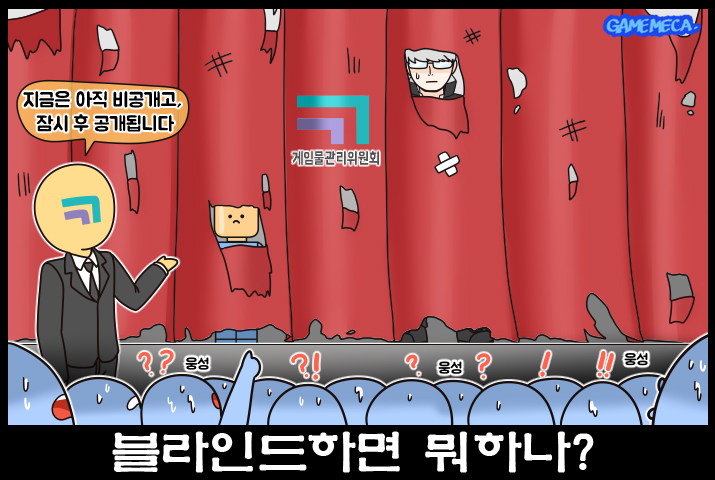
As we approach June, a month practically vibrating with the anticipation of State of Play and Summer Game Fest, big-budget announcements are beginning to trickle in. While gamers are rightfully buzzing about what's coming, a rather unwelcome party crasher has arrived. On the 26th, the Game Rating and Administration Committee (GRAC) published its latest list of classification decisions in the electronic gazette, and well,it included the previously unannounced Lego Skyline and Persona 4 Revival.Yes, you read that right.
Look, let's be honest: leaks via unofficial channels are part and parcel of the industry leading up to big events. But when a government-sanctioned body accidentally spills the beans, the weight of that blunder is entirely different. We've seen this 'pre-review' process cause leaks before, and while the GRAC introduced a 'blind service' in November 2023 to allow publishers to hold back publication, the current structure of the electronic gazette still makes a clean, total blackout almost impossible to maintain.
The method of publishing these results is governed by Ministry of Culture, Sports and Tourism (MCST) enforcement rules, meaning it could be amended via government order without a tedious parliamentary slog. If the GRAC was prepping a blind service back in 2023, they should have sat down with the MCST to plug these administrative holes. Given that they were already pushing for the privatization of game ratings at the time, they really ought to have established a clear policy for 'requested unannounced titles' to reflect the borderless reality of the modern global gaming market.
For major publishers, the 'first look' is the crown jewel of their marketing strategy. They want that perfect moment to captivate a global audience simultaneously—often using the 'shadow drop' method to launch titles the very second they are revealed. If international developers start fearing that the Korean rating system will act as a leak factory, they might just bypass the region entirely, launching everywhere else first and leaving Korean gamers to pick up the scraps later. It’s a classic case of an archaic system hurting the very people it’s supposed to serve.
The government is currently pushing through a three-stage plan to hand over rating duties to the private sector, with plans to shift mobile adult-rated titles to the Game Contents Rating Board this October. It’s not just about changing who holds the stamp; it’s about fixing these administrative contradictions that keep popping up. We need more than just a change in leadership; we need the kind of meticulous, forward-thinking governance that prevents these headaches before they happen.
스테이트 오브 플레이, 서머 게임 페스트 등 대형 게임 행사가 열리는 6월이 다가오며 대작 소식이 속속 들려오고 있습니다. 이후에도 발표될 신작 소식에 많은 게이머가 기대감을 표하고 있는데요, 여기에 찬물을 끼얹는 불청객이 등장했습니다. 지난 26일 게임물관리위원회(이하 게임위)가 전자관보에 게시한 게임 등급분류결정 리스트에, 미공개 상태였던 레고 스카이라인과 페르소나 4 리바이벌이 포함된 것입니다.
행사를 앞두고 비공식 채널을 통해 빅뉴스가 사전에 누출되는 경우는 많습니다. 그러나 정부 공식 기관에서 사전에 공표된 내용은 공신력 측면에서 무게감이 남다르기에 더 세밀하게 관리해야 합니다. 국내에서 법으로 정해진 ‘사전 심의’로 인한 유출은 과거에도 있었는데요, 이에 게임위에서는 2023년 11월부터 게임사가 원하는 시점까지 공개를 보류하는 블라인드 서비스를 제공하고 있습니다. 그러나 이를 신청해도 전자관보에 심의 결과가 실리기에 유출을 완벽하게 막을 수 없는 구조입니다.
심의 결과를 게재하는 방식은 문화체육관광부령인 ‘시행규칙’으로 정할 수 있기에, 국회 입법 없이 문화체육관광부(이하 문체부)에서 정부입법으로 수정할 수 있습니다. 2023년에 게임위에서 블라인드 서비스 도입을 준비 중이었다면, 미공개 요청한 게임의 관보 게시 등에 대해서도 문체부와 협의하여 행정적인 구멍을 사전에 막을 방도를 마련할 수 있었습니다. 특히 2023년이라면 게임 심의 민간이양을 추진하고 있던 시점이기에, 국경이 희미해진 글로벌 게임 시장 상황을 고려하여 ‘미공개 요청 게임’에 대한 공개 방침을 명확하게 정리했어야 합니다.
‘신작 첫 공개’는 국내외 주요 게임사에서 가장 큰 마케팅 이슈입니다. 모든 것이 완벽하게 준비된 상태에서, 전 세계 게이머에게 동시에 깜짝 공개하며 관심도를 최고조로 끌어올리는 것을 중요하게 생각합니다. 여기에 최근에는 발표와 동시에 출시하는 일명 ‘섀도우 드롭’ 방식도 인기를 끌고 있습니다. 이러한 상황에서 해외 게임사가 국내 게임 심의를 통한 유출을 우려할 경우, 한국을 제외한 각 국가에 게임을 낸 이후 국내 심의를 거쳐 뒤늦게 발매하는 경우도 발생할 수 있습니다. 시장 환경에 맞지 않는 낡은 제도로 인해 한국 게이머가 피해를 보게 되는 셈입니다.
정부에서는 게임 심의 민간이양을 세 단계에 걸쳐 추진 중이며, 오는 10월 중 청소년이용불가 모바일게임을 민간기관인 게임콘텐츠등급분류위원회로 이관할 계획입니다. 심의 주체를 옮기는 것에 맞춰 이번에 발견된 ‘미공개 게임 유출 우려’와 같은 행정적인 모순도 함께 보완하는 과정을 거쳐야 현재 추세에 맞는 방향으로 제도 전반을 개선할 수 있습니다. 아울러 수면 위로 떠오른 것 외에도 예상되는 우려사항을 사전에 꼼꼼하게 챙겨 문제가 발생하지 않도록 예방하는 세심한 행정이 요구됩니다.
This news was translated by AI.

Let's not lose our initial resolve. Meticulously, one by one. risell@gamemeca.com
READ MORE
-
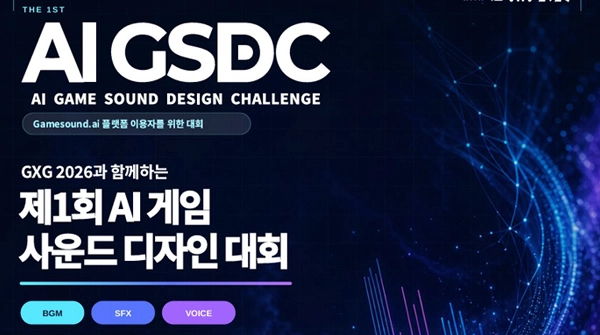 Recruiting participants for the AI Game Sound Design Challenge in collaboration with GXG
-
 [Today's Steam] Conqueror’s Blade: Three Kingdoms, Overwhelmingly Negative
-
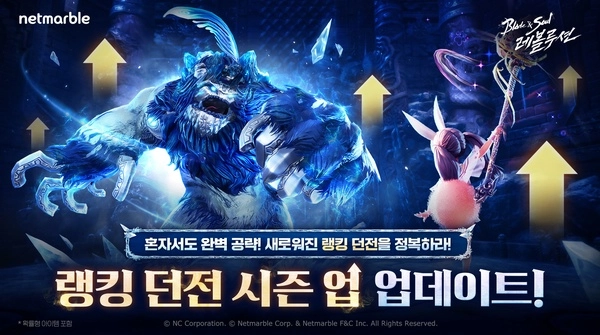 Blade & Soul Revolution, Ranking Dungeon shifts from 2-player co-op to 1-player competition
-
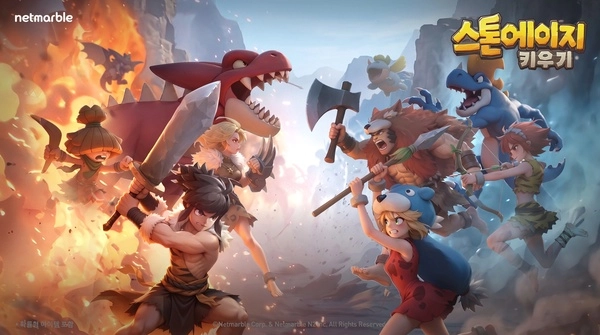 Competition to determine the strongest, [Stone Age Idle] Tribe War begins
MOST POPULAR NEWS
- [gamescom 26] An RPG set in the US dominated by Japanese culture is coming
- "I am back": Kylian Mbappé selected as cover model for EA Sports FC 27
- Webzen's 'Dragon Sword: Awakening' Injunction Dismissed, Steam Launch Confirmed
- High-end Gaming PC Giveaway Event Hosted for Kakao PUBG
- Hyper Boost and Level Revamp, Black Desert Second Half Roadmap Revealed
- KEL PUBG Mobile Finals to be Held in Daejeon on the 25th
- Mbappe and Bellingham on the Cover, 'EA Sports FC 27' Launches September 25
- The Seven Deadly Sins: Grand CROSS, TS characters of Meliodas and Ban arrive
- Blizzard Unveils BlizzCon 2026 Digital Collection Bundles
- Super Creative CEOs Kang Ki-hyun and Kim Hyung-suk to Depart from the Company
MEDIA PARTNERSHIPS



GAMEMECA SNS