
[Ranking Man] TOP 5 terms that game companies seem to misunderstand
[순정남] 게임사들이 잘 모르는 것 같은 단어 TOP 5
2026.01.29 14:58 UTC+9
AI Summary
The gaming industry is rife with linguistic absurdities and marketing buzzwords. From 'pre-orders' that ignore grammar to phantom 'collaborations,' terms have lost their original meaning. It is high time we stop accepting these corporate distortions as the new standard.
※ [Ranking Man] is a weekly column that explores peculiar themes and introduces games or characters that fit the bill.
Reading through developer press releases and announcements often leaves me scratching my head. Perhaps it’s an occupational hazard of being a game journalist, but I frequently notice established terms being twisted or diluted beyond recognition. Take 'Monetization' (Gwak-geum), for instance—originally referring to a service provider collecting fees from users, it has mutated among gamers to simply mean 'the act of spending money on a game'.
Language is a fickle beast; once a term is misused, it hardens into the accepted truth. Much like the redundant 'ATM machine' or 'PIN number' in English, the gaming industry—whether out of marketing convenience or sheer ignorance—has adopted some bizarre concepts as standard. Today, I’ve compiled the Top 5 most egregious linguistic blunders that game companies are either confused about or pretending not to understand.
TOP 5. Release Date - The day a game is actually released
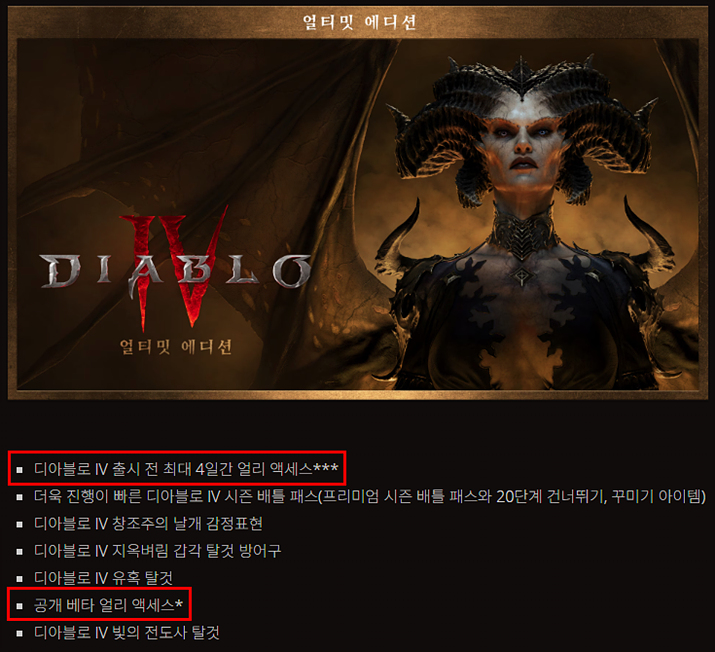
The definition of a 'release date' should be crystal clear: the day a game launches, the moment every player can start playing. Yet, this concept has become effectively meaningless. If you splash out on an expensive 'Deluxe' or 'Ultimate' edition, you get three to seven days of early access. In reality, the 'real' release date is set by those who paid extra, leaving standard edition buyers in the pitiable position of having to disconnect from the internet to avoid spoilers.
Throw 'Early Access' into the mix, and the release date becomes mere window dressing. You could play for hundreds of hours, but if the game crashes and burns during this phase, the publisher simply disavows it with, 'It was just an unfinished beta.' As of 2026, a 'release date' is no longer the day a game hits the shelves; it’s either the day the 'cheap seat' customers finally get in, or a shield for developers to dodge accountability.
TOP 4. Annual Numbering - Adding the year to the title makes sense, right?
Popular series that release new entries annually usually attach the year to their title. Think of the KOF series in the 90s or modern sports titles. It’s a badge of honor, proving a massive, loyal fanbase. However, the calculation for these year-based suffixes has gone haywire. You’re playing a game in the current year, yet the title insists it belongs to the next.
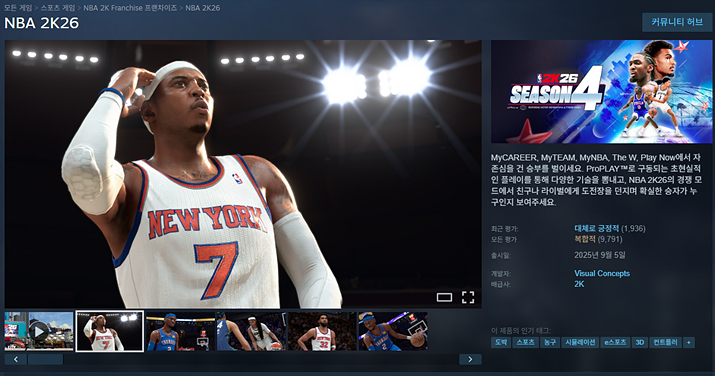
Take the EA FC or NBA 2K series as prime examples. Every September, a new game arrives sporting next year's number. It feels like buying next year’s diary in December—it’s just too early. To make matters worse, despite the future-dated title, the data is firmly rooted in the present, which is nothing short of confusing. I understand the marketing strategy—trying to avoid that 'outdated' feeling by the end of the year—but watching these release cycles accelerate year after year is truly heart-wrenching.
TOP 3. Pre-order - The game industry's version of a 'redundant department'
Before a game launch or an event, there’s always a ritual: the 'Pre-order'. If you don't think about it too hard, it sounds fine, but break it down and you’ll see the linguistic absurdity. It’s a classic case of tautology that has somehow become the industry standard.
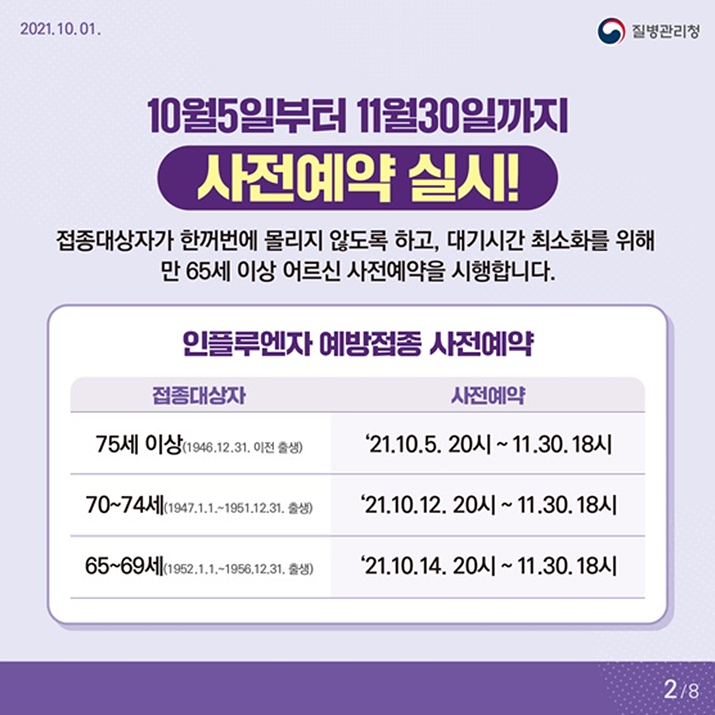
This originated from the Japanese 'pre-registration' model, but it morphed during its transition to the Korean market. Since most of these are free-to-play games requiring a single click, 'Launch Notification' would be more accurate. But 'Pre-order' implies you've claimed your stake in the game, so they stick to this broken grammar. When even government agencies start using this term without blinking, I suspect it might eventually end up in the dictionary as standard usage.
TOP 2. CBT/OBT - C for Closed, O for Open
Concepts like 'Alpha' and 'Beta' tests originated in software engineering. Over the past 20 years, the gaming industry has turned these definitions into a tattered mess. Traditionally, a Closed Beta Test (CBT) involves a select group, while an Open Beta Test (OBT) opens the servers to everyone to stress-test before the official launch. It has also become customary for OBT data to carry over into the live service, essentially making the OBT the final pre-launch stage.
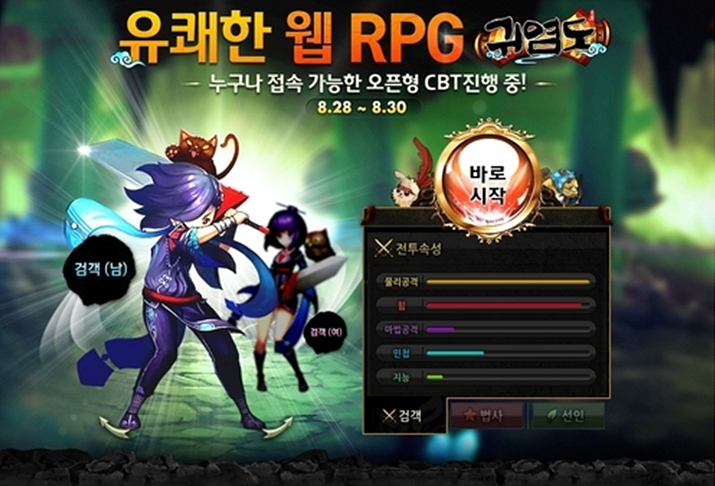
Today, however, the lines are so blurred they’ve vanished. Selling paid items during an OBT is commonplace, and we even see bizarre terms like 'Open CBT'—a 'public private test'. It’s like ordering a 'hot iced Americano'. When you tack on 'Final Test' or 'Pre-OBT', my head starts to spin.
TOP 1. Collaboration - Two entities working together
Finally, we have 'Collaboration' (Collab). This implies two distinct entities coming together to create synergy. It requires two companies or brands to shake hands. Think of Geese Howard from SNK appearing in Bandai Namco’s Tekken, or convenience stores selling snacks branded with subculture game characters. It naturally requires a partnership agreement. Even when a company does an 'internal collab' between two of its own different game franchises, it’s understandable.
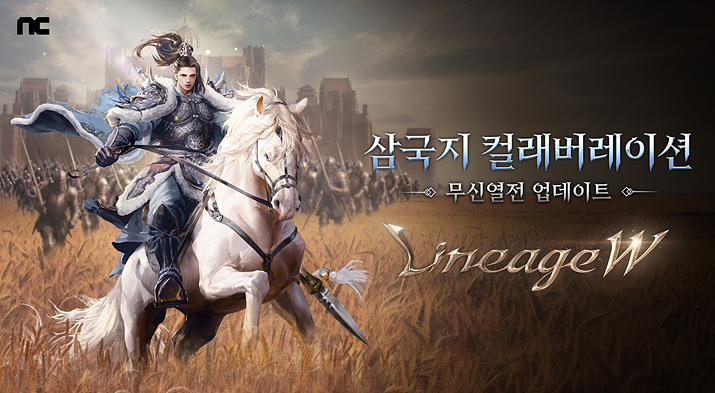
Yet, lately, we’ve seen 'collabs' where the other party doesn't exist. Last year, NCSoft promoted a 'Three Kingdoms Collaboration' for Journey of Monarch and Lineage W. As we all know, the Three Kingdoms is based on actual history or the 700-year-old novel 'Romance of the Three Kingdoms'. Unless they signed a contract with Koei Tecmo for their series, I have no idea who they collaborated with. Did they summon Luo Guanzhong from the grave to sign the papers? Or did they negotiate with the spirit of Guan Yu at a shrine? This isn't a collab; it's just an 'update'.
※ [순정남]은 매주 이색적인 테마를 선정하고, 이에 맞는 게임이나 캐릭터를 소개하는 코너입니다.
가끔 게임사에서 올린 뉴스나 공지사항을 읽다 보면 고개가 갸우뚱해질 때가 있다. 게임 기자로서 직업병일 수도 있는데, 기존에 잘 존재하던 단어들이 전혀 엉뚱한 방향으로 왜곡되거나 퇴색되어 사용되고 있는 경우가 많기 때문이다. 원래 서비스를 제공한 측에서 서비스를 사용한 사람에게 사용료를 거두어들이는 것을 뜻하는 '과금'이란 단어가, 게이머들 사이에서는 마치 게임에 돈을 쓰는 행위처럼 쓰이는 것처럼 말이다.
언어라는 게 참 묘해서, 한 번 잘못 쓰이기 시작하면 어느새 그게 정답인 양 굳어버린다. '역전 앞'이 틀린 말인 줄 알면서도 입에 붙어버린 것처럼, 게임업계에서도 마케팅 편의상 혹은 무지 때문에 이상한 개념들이 정답처럼 쓰이고 있다. 오늘은 게임사들이 유독 헷갈려 하거나, 혹은 모르는 척 하고 있는 해괴망측한 단어 TOP 5를 꼽아봤다.
TOP 5. 출시일 - 게임이 출시되는 날짜를 뜻합니다
게임 출시일이라는 단어의 뜻은 명확하다. 게임이 출시되는 날짜. 모든 게이머들이 이 날부터 게임을 즐길 수 있게 되는 날을 뜻한다. 하지만 요즘은 이 개념이 사실상 의미가 없어졌다. '디럭스 에디션'이나 '얼티밋 에디션' 같은 비싼 패키지를 사면 3일에서 일주일 정도 먼저 들여보내 주기 때문이다. 사실상 돈 더 낸 사람들을 기준으로 '진짜 출시일'이 정해지는 셈인데, 일반판 구매자들은 그동안 스포일러를 피해 인터넷을 끊고 살아야 하는 처량한 신세가 된다.
여기에 '앞서 해보기'까지 가세하면 출시일의 개념은 그야말로 장식물 수준으로 전락한다. 분명 수백 시간 플레이했는데, 앞서 해보기 단계에서 게임이 망하면 '아직 출시 안 한 베타 단계였습니다'라며 존재를 부정한다. 2026년 현재, 게임 출시일이라는 단어는 '게임을 파는 날'이 아니라 '값싼 입장권 구매한 고객 입장일' 혹은 '책임 회피를 위한 방패막' 정도로 전락해 버렸다.
TOP 4. 연도별 넘버링 - 게임이 나온 연도를 붙이는게 정상이겠죠
매년 신작이 나오는 인기 시리즈들은 보통 연도 넘버링을 붙인다. 90년대 KOF 시리즈가 그랬고, 최근의 스포츠게임들이 그렇다. 매년 신작이 나오면서도 계속해서 팔린다는 건 그만큼 팬층이 두텁다는 히트작 증명서와도 같다. 그런데 언제부턴가 이 연도 넘버링 계산법이 좀 이상해졌다. 분명 올해 나온 게임인데, 게임 제목은 내년이라고 적혀 있는 식이다.
대표적 사례는 EA FC나 2K NBA 시리즈다. 매년 9월쯤 되면 내년도 숫자를 단 신작이 나온다. 마치 12월쯤 미리 내년 다이어리를 사는 것과 비슷한데, 이제 막 여름이 지나갈 무렵인지라 너무 빠르다는 느낌이 든다. 게다가 내년도 넘버링을 달고 나왔으면서 데이터는 올해 기반이니, 더욱 헷갈린다. 연말에 출시해서 '구작' 느낌을 안 주려는 마케팅 전략까지는 이해하겠지만, 점차 출시 시기가 빨라지고 있는 모습을 보고 있으면 가슴이 먹먹해진다
TOP 3. 사전예약 - '역전 앞' 게임 버전
게임 출시 전, 혹은 이벤트 시작 전에 꼭 하는 행사가 있다. 바로 사전예약이다. 워낙 자주 쓰는 단어라 이상함을 못 느낄 수 있겠지만, 조금만 깊이 생각해보면 이 단어가 얼마나 괴상한 조합인지 알 수 있다. '예약'에서 '예'라는 글자가 '미리 예'인데, 거기다 일을 시작하기 전이라는 뜻의 '사전'을 붙였다. 해석하면 '미리 미리 약속'이라는 단어가 된다. '역전 앞'과 같은 전형적인 의미 중복 표현인데, 어느덧 게임업계에선 표준어처럼 굳어졌다.
사실 이 단어는 일본에서 유행하던 '사전등록'을 국내에 도입하는 과정에서 변질됐다. 아무래도 국내에서는 '등록'보다 '예약'이라는 단어가 주는 강렬한 느낌이 선호됐기 때문으로 보인다. 사실 사전예약을 하는 대부분이 부분유료 게임들이고 클릭 한 번 하는 정도니 예약보다는 '출시 알림 신청'이 정확하겠지만, 사전예약이라는 단어가 마치 이 게임을 미리 찜 해놓았다는 느낌을 주기에 문법 파괴를 감수하면서까지 계속 쓰이고 있는 것이다. 이제는 게임사를 넘어 정부기관에서까지 아무렇지 않게 이 단어를 쓰고 있는 모습을 보면, 조만간 '짜장면'처럼 표준어로 들어가지 않을까 하는 생각도 든다
TOP 2. CBT·OBT - C는 비공개, O는 공개를 뜻합니다
알파테스트, 베타테스트 같은 단어는 본래 소프트웨어 공학에서 유래한 개념이다. 이후 온라인게임을 필두로 게임업계에서도 자주 쓰고 있는데, 20년 넘게 여기저기서 써오면서 개념 자체가 누더기가 됐다. 원래 클로즈 베타 테스트(CBT)는 소수 정예로 진행되며, 오픈 베타 테스트(OBT)는 정식 서비스 직전에 서버 기능을 시험해보기 위해 누구나 참여할 수 있게끔 서버를 오픈시켜 놓는다. 여기에 게임업계에서는 누구나 오픈 베타 테스트 데이터는 정식 서비스로 이전하는 것이 관례처럼 굳어졌다. 누구나 자유롭게 참가할 수 있는 테스트이기에, 사실상 출시 직전 단계로 바라보는 것이다.
그런데 요즘은 이 경계가 희미하다 못해 이리저리 뒤섞였다. 오픈 베타 테스트라면서 유료 아이템을 판매하는 것은 예삿일이고, '누구나 참여 가능한 CBT'라며 '오픈 CBT'라는 정체불명의 용어를 만들기까지 한다. 비공개(Closed) 테스트인데 누구나 할 수 있다니, 마치 '뜨거운 아이스 아메리카노' 같은 소리다. 여기에 '파이널 테스트', '프리 OBT' 같은 수식어까지 붙으면... 윽! 머리가...!!
TOP 1. 컬래버 - 두 업체나 두 브랜드가 협업하는 것을 뜻합니다
마지막으로 '컬래버레이션(컬래버)'이다. 이 단어는 서로 다른 두 주체가 만나 시너지를 내는 '협업'을 뜻한다. 즉, 업체 두 곳, 혹은 브랜드 두 곳이 손을 잡아야 한다. 반다이남코에서 개발한 철권에 캡콤의 고우키가 나오거나, 서브컬처 게임 캐릭터가 박혀 있는 식품을 편의점 등에서 판매하는 것이 전형적인 예다. 당연히 두 업체나 브랜드 간에 관련 협의가 필요하다. 간혹 자기네 회사 다른 게임 캐릭터 간 협업을 '자체 컬래버'라고 포장하는 경우도 있는데, 여기까진 게임 브랜드가 서로 다르다고 이해해 줄 수 있겠다.
그런데, 최근에는 상대 주체가 아예 없는 컬래버까지 등장하고 있다. 작년 엔씨소프트의 '저니 오브 모나크'와 '리니지W'는 '삼국지 컬래버레이션'을 진행했다며 홍보를 한 적이 있다. 그러나, 모두가 알다시피 삼국지는 실제 역사, 혹은 700년 전에 쓰여진 소설 '삼국지연의'를 기반으로 한다. 코에이 삼국지 시리즈와 협업했다면 모르겠지만, 그게 아니라면 대체 누구와 컬래버를 했다는 건지 알 길이 없다. 나관중 선생이 무덤에서 일어나 계약서라도 쓰고 가신 건가? 아니면 관제묘에서 관우 혼령과 기도를 통한 합의라도 진행했나? 이건 그냥 '삼국지 업데이트'다.
This news was translated by AI.

I am the head of the GameMeca editorial team. jong31@gamemeca.com
READ MORE
-
 Aion 2 Launches First Server Transfer for Characters Level 45 and Above
-
 [Today's Steam] Cthulhu meets Dave? New title 'Dive or Die' receives positive feedback
-
 [Ranking Analysis] Escaping the shadow of Pokemon, Palworld reaches 13th place
-
 Runaway and Duelist Join the Fray: Darkest Dungeon Receives 'Fire's Edge' DLC After Six Years
RECOMMENDED NEWS
MOST POPULAR NEWS
- Shoulder to shoulder with Ronaldo, Faker named Esports World Cup ambassador
- Dplus KIA Admits Salary Delays, Confirms Club Sale in Progress
- Catch! Teenieping Arrives in KartRider Rush+ Collaboration
- Learn card games at the station, 'Pokémon Mega Festa' kicks off in Busan
- GTA 6 Estimated to Have Earned $260 Million in Pre-orders Within 3 Weeks
- FromSoftware's new title 'The Duskbloods' to hold test in August
- Simultaneous Launch of Skins and Apparel, PUBG Mobile Collaborates with Musinsa
- SOOP and Gen.G to Host '2026 League of Legends Myeolmangjeon with Gen.G' on the 19th
- Steam Reveals First Half 2027 Sale Schedule Including Seasonal Discounts and Next Fest
- VCT Pacific Stage 2, Gen.G secures sole lead with two consecutive wins
MEDIA PARTNERSHIPS


GAMEMECA SNS