
Leehwan is Closer to 'Subculture Crimson Desert' Than 'Subculture GTA'
2026.05.11 17:35 UTC+9
TL;DR (2-3 Sentence Summary)
A new open-world RPG from Hotta Studio, 'Leehwan,' launched on April 29th, has garnered the immense moniker of 'Subculture GTA' even before its release. Since its initial reveal, the game has captivated players with its bizarre city phenomena, flashy directing, and more. Some scenes even evoked comparisons to GTA, leading some users to consider Leehwan the next-generation subculture game.
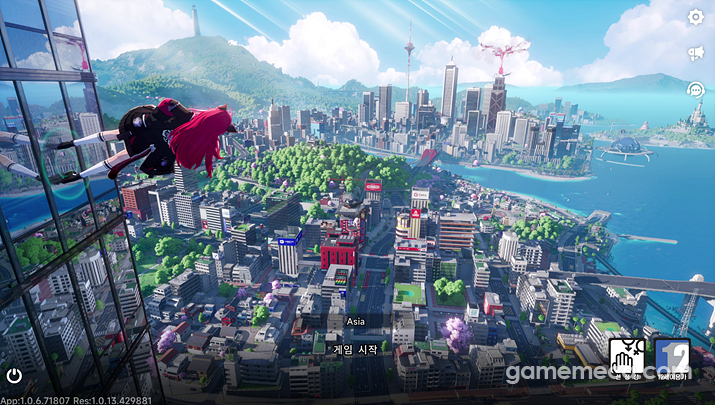

There's a new open-world RPG that landed on April 29th, carrying the rather hefty moniker of 'the GTA of the subculture scene' even before its launch. That game is IHAN, the latest from Hotta Studio. From its initial reveal, it captured players' attention with its city plagued by strange phenomena and its flashy presentation. Some scenes even drew direct comparisons to GTA, leading a segment of the player base to dub IHAN the next-generation subculture game.
However, the sheer weight of the 'GTA' comparison naturally sparked a considerable amount of debate. Speculation ranged from 'this could completely shake up the subculture scene' to 'it's still nowhere near GTA,' igniting a lively back-and-forth. This discourse continued post-launch, prompting me, your humble correspondent, to dive headfirst into the world of IHAN to see what all the fuss was about.
Not quite GTA, but an Open World Brimming with Content
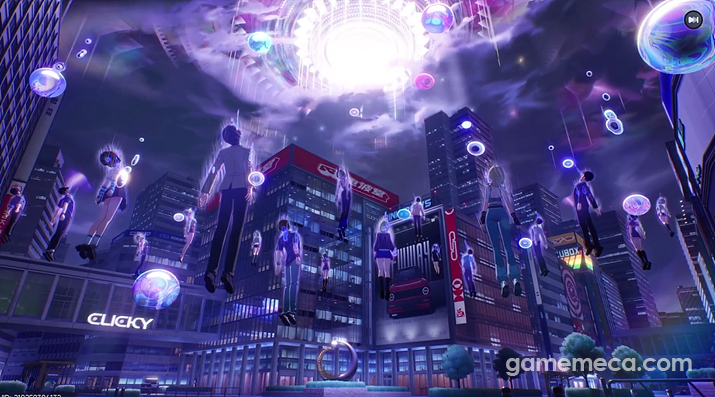
IHAN's primary setting is 'Hetero City,' a metropolis grappling with anomalous phenomena. The protagonist, possessing the ability to sense these anomalies, catches the eye of the Anomaly Management Bureau and subsequently joins 'Avon,' an antique shop that doubles as a detective agency. The game's narrative revolves around the diverse characters and unfolding events the protagonist encounters.

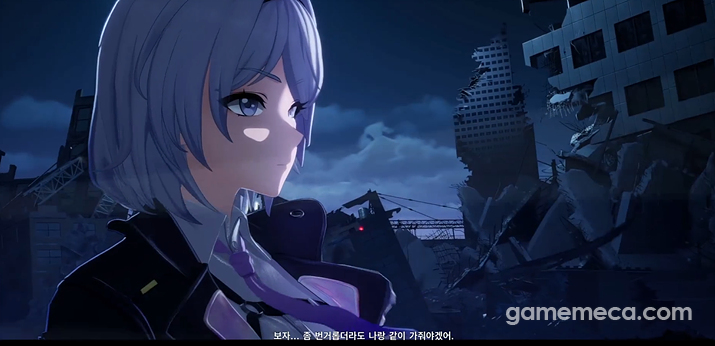

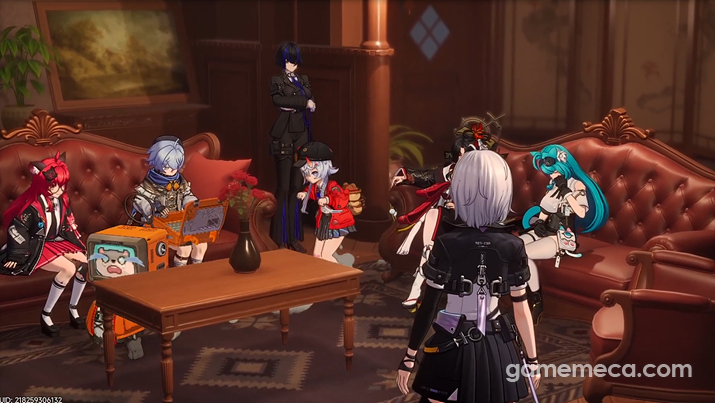

Normally, you'd expect to follow the main story to fully experience a game like this. But in IHAN's open world, there's an absolute abundance of content even if you completely ignore the main quests. Simply strolling down the street without a specific goal can lead to anomalous events triggering combat, or you might stumble upon a side quest that opens up a new narrative thread. Beyond that, players are treated to a plethora of activities, including racing, mahjong, shop management, fishing, taxi driving, and home customisation. Oh, and hunting for game and anime references scattered throughout the world is a rather enjoyable pastime in itself.
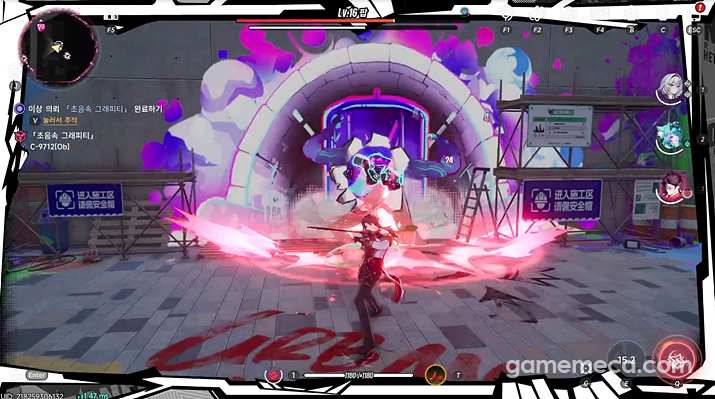


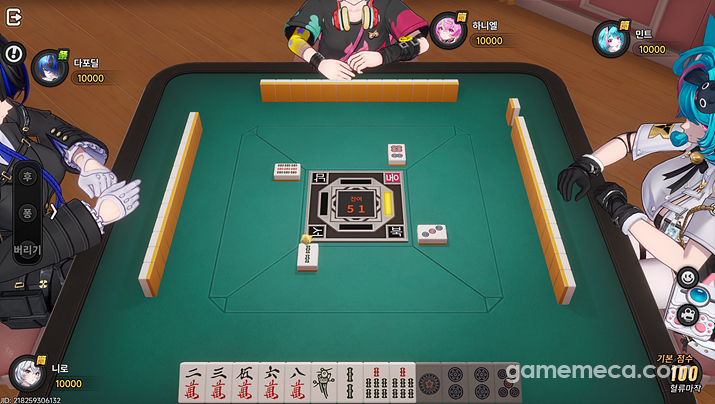



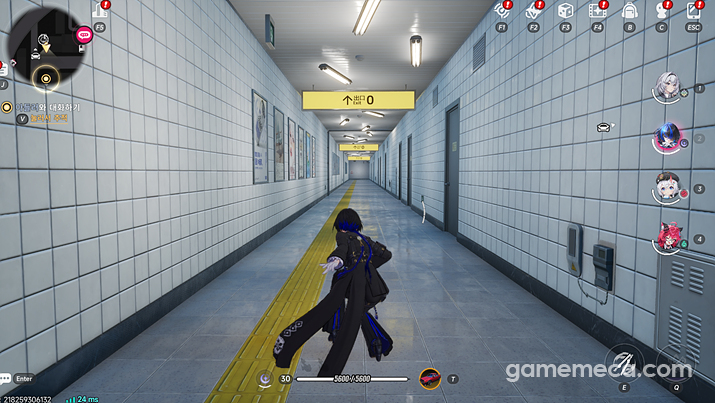

Among these, the 'prison' content particularly stood out. Commit crimes like theft, traffic obstruction, or assaulting citizens, and a wanted level, much like in GTA, starts to build up. If you're apprehended by the police while this gauge is sufficiently filled, you'll find yourself incarcerated on a remote island. Most activities are restricted within the prison, and you can only be released after serving a set number of days or paying bail.
Escaping from prison itself becomes a form of content. You can feign illness to get to the infirmary or perform manual labor to gather various items. These can then be used to dig a hole in your cell and break out, à la 'The Shawshank Redemption.' There are even ways to glitch your way out using environmental elements, and dedicated challenges exist for these methods. It seems the developers anticipated players finding these routes and tacitly acknowledged them as official avenues.
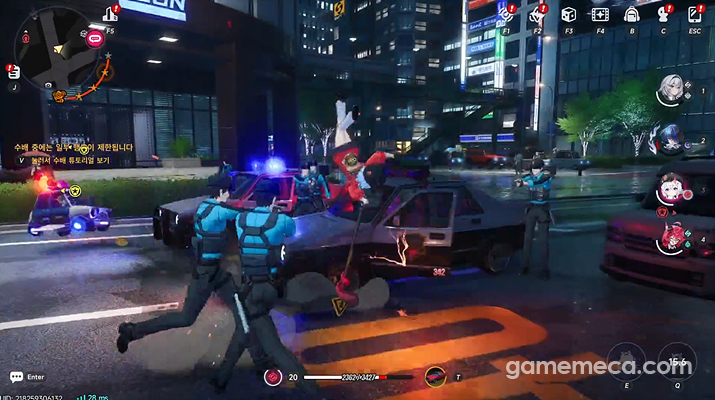

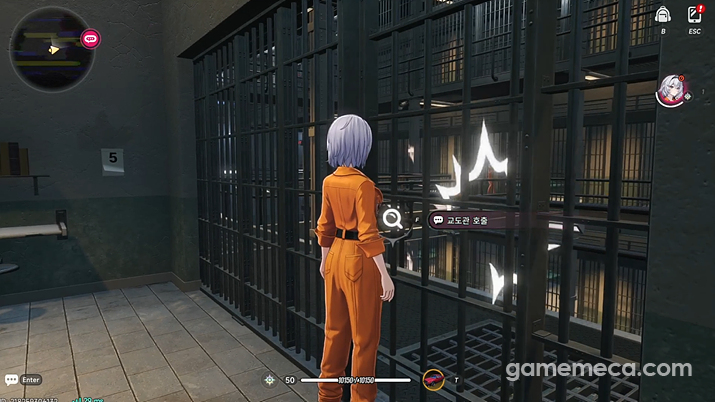

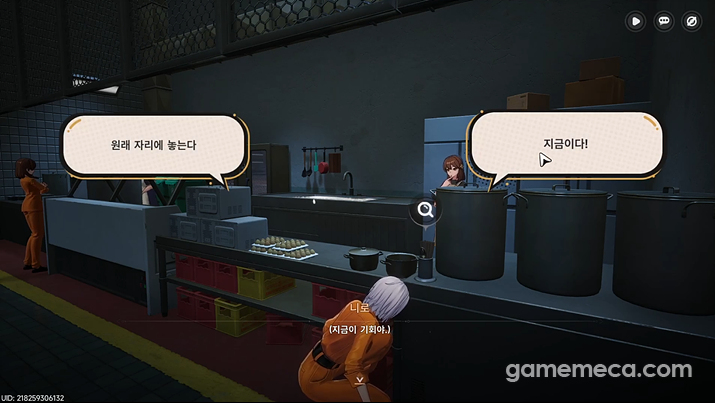
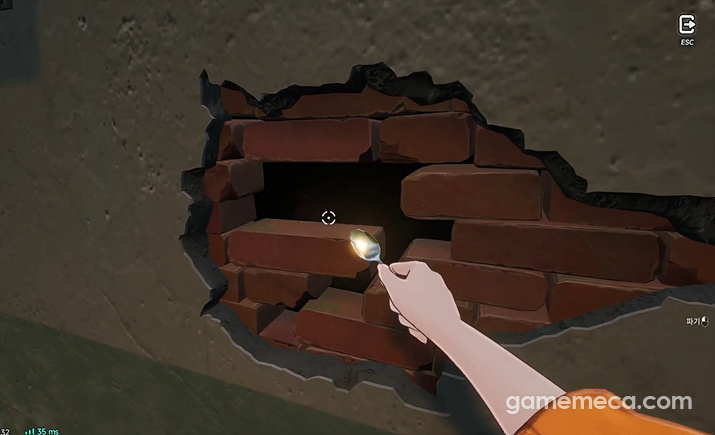

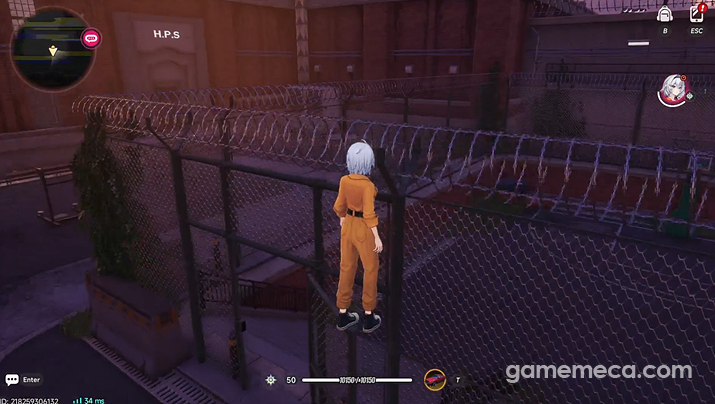
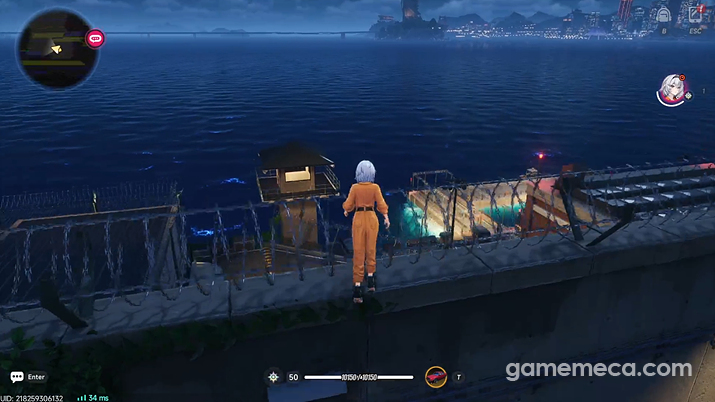
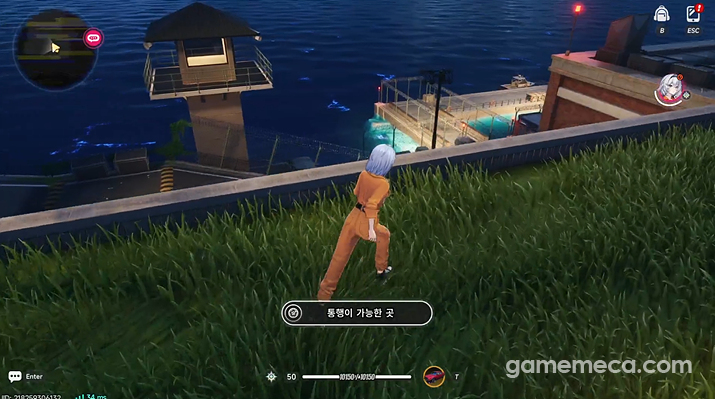

The freedom granted to the player is quite substantial. You can climb on almost any visible terrain, and stealing vehicles from the road is permitted under the guise of 'mission requisition.' You can even shoot out the tires of moving vehicles, leading to comical scenes where the car, unable to turn, plunges straight into the sea.
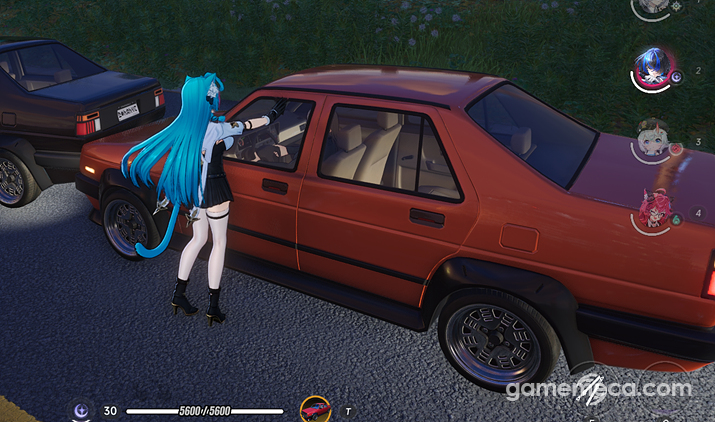
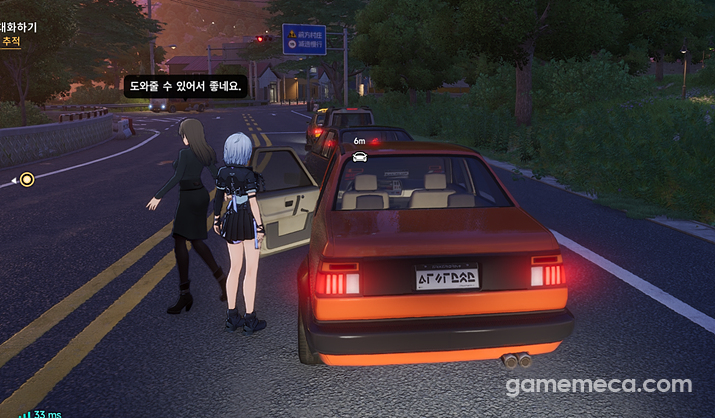

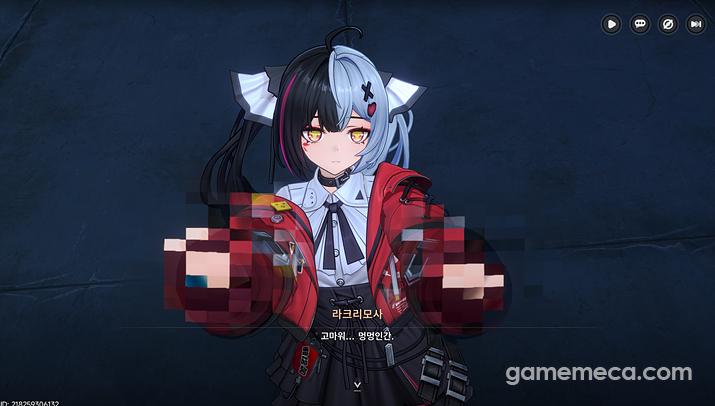
The game also faithfully implements character interaction, a staple of subculture titles. You can invite owned characters to your home for some quality time or take them for a drive in a car. Furthermore, there are numerous interaction options, such as playing rock-paper-scissors for a 'head flick' duel or going for a stroll. While it's a bit disappointing that this isn't yet available for all characters, it provides an excellent environment for fostering affection towards your favourite characters.
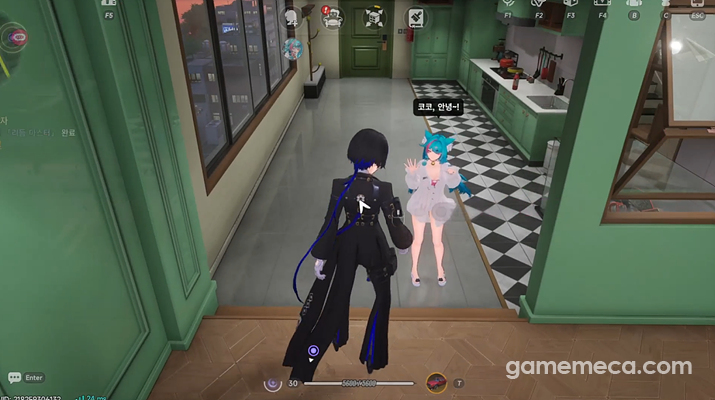

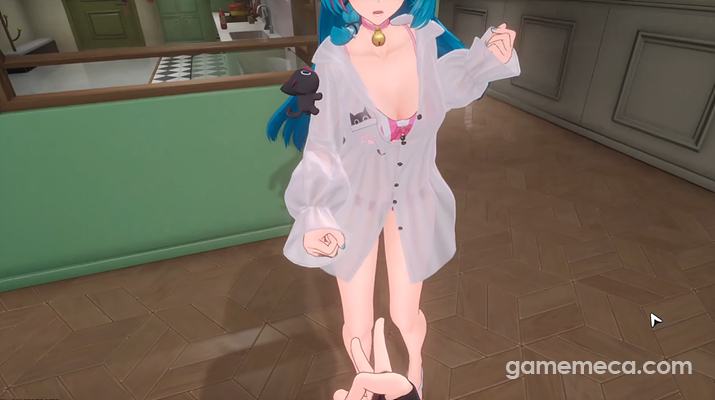

However, calling IHAN a 'GTA-style open world' feels a bit of a stretch. To be precise, its direction is different. When one thinks of GTA, the typical image is one of causing mayhem by attacking random citizens, engaging in car chases with the police, and transporting illicit goods across the city. IHAN, on the other hand, doesn't offer the same breadth of criminal activities, nor does it provide the same thrill of tormenting civilians and police with a variety of weapons. It's safe to say this game isn't a 'crime simulator'.
This isn't to say that IHAN's chosen path is wrong, mind you. It boasts high player freedom and a vast amount of content. It's simply not GTA. In fact, actions like puncturing car tires or orchestrating an escape from prison genuinely make you think, 'Can you really do this?' It's at this point that a certain game comes to mind: Crimson Desert, which also recently launched.
Stunning Presentation, Disappointing Story
There are elements in IHAN that evoke Crimson Desert beyond its robust open world, most notably its impressive presentation. As you progress through quests or wander the city, you'll encounter numerous anomalies: cameras that trap subjects in photos, headless riders, and sentient speakers. The direction here is intriguing, employing subtle yet unsettling techniques like suddenly making all nearby vehicles vanish or causing walls to shift and alter building structures. It reminded me of the initial experience of encountering Crimson Desert's fluid action and meticulous presentation.
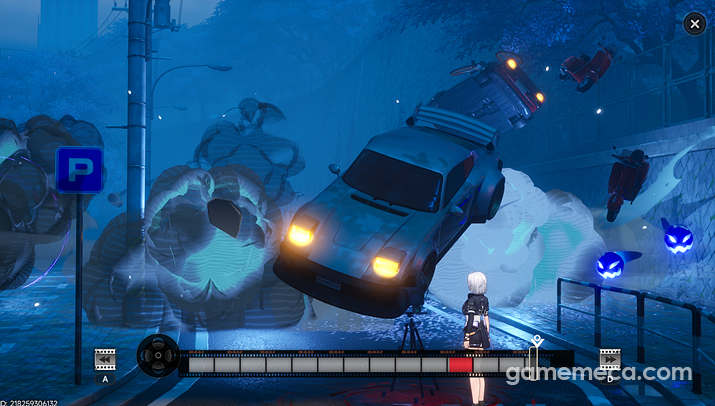
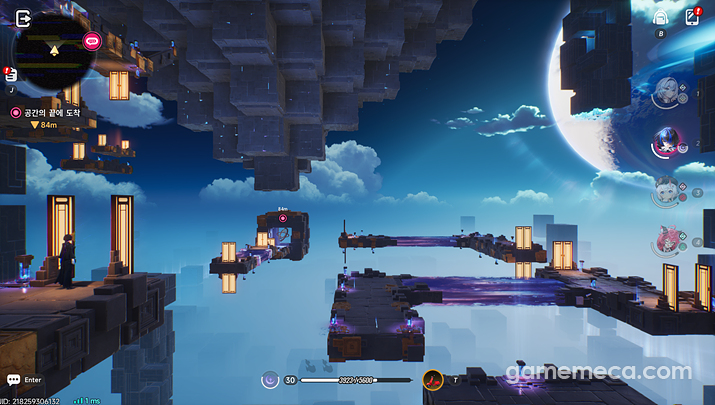

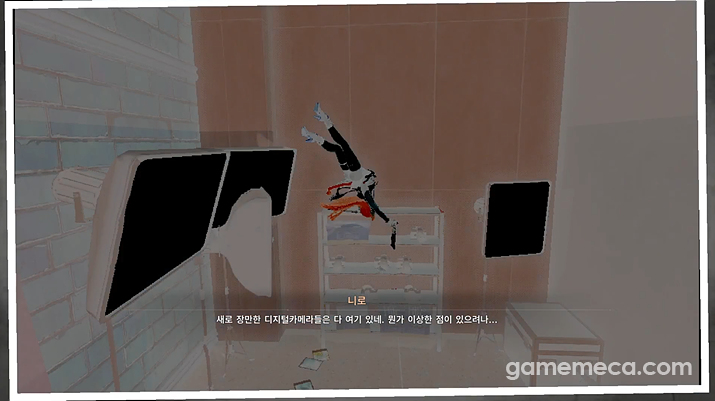
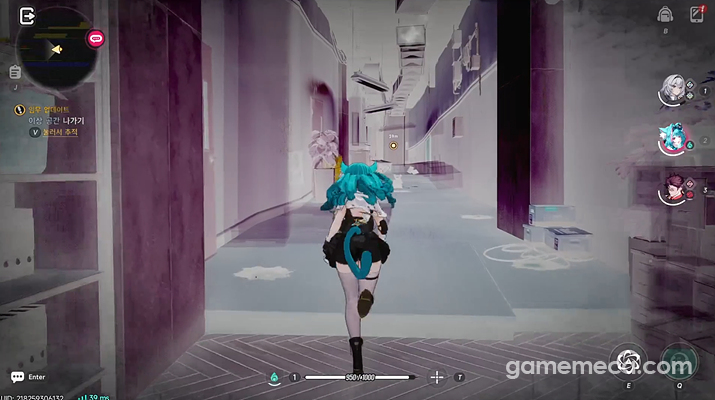

The tutorial quest, 'Orbit Film Studio,' in particular, elicited a genuine gasp of admiration. This is where the aforementioned camera appears. When the player is caught by it, the entire world is enveloped in a negative effect, and you're transported to another dimension. This mechanic can be used to bypass blocked paths or easily subdue enemies. Elsewhere, walls continuously shift to alter building layouts based on your position, and a headless rider suddenly appears as all surrounding vehicles vanish in an instant, creating a novel presentation that deepens immersion.
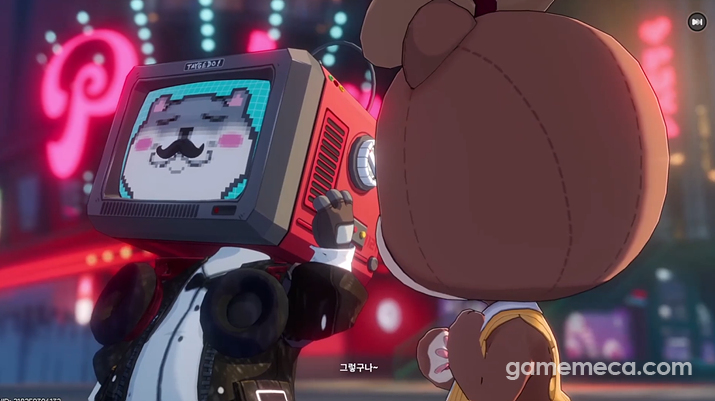
However, the story itself has numerous flaws. For starters, the narrative often forces in comedic elements or features awkward pacing that disrupts immersion. Some storylines, including a main quest involving helping the mascot character 'Tagi' with his love life, lack basic plausibility. It's as if IHAN is mirroring Crimson Desert's early criticisms regarding its story. While it might be a coincidence given the development time, one wishes they didn't have to be similar in *this* regard.


Overall, IHAN is a title that subculture and open-world enthusiasts will likely find enjoyable. The seamless open world offers the joy of exploring anomalies and hidden elements, complemented by a constant stream of content, including a variety of mini-games like racing. Furthermore, the diverse systems for direct interaction with characters and the innovative presentation allow players to become more deeply immersed in the world.
That said, if you're expecting a profound narrative, you're likely to be disappointed. While the story improves somewhat after the initial stages, the early game's lack of plausibility, excessive comedic elements, and unnatural pacing hinder narrative immersion. Much like how Crimson Desert managed to turn things around with continuous updates, one hopes IHAN will follow suit. Adieu.

This news was translated by AI.

Lee Woo Min, Reporter
I will greet you with a good article.niro201@gamemeca.com
READ MORE
-
 Ace Combat 8 Returns with a Captivating Narrative: An Experience Report
-
 Party Extraction with a Spoonful of Lethal: 'Tomb Busters'
-
 A Bitter Aftertaste of Mannerism in Deep Narrative Two Shots: 'Coffee Talk Tokyo'
-
 Sol: enchant Aims for Stress-Free MMORPG Experience
-
 Azur Promilia Adds Tag Action to Subculture Palworld
-
 Subnautica 2: The Alluring Depths and Suffocating Terror Beyond the Dazzling Scenery
-
 HOMM: Olden Era, a time machine that instantly steals 40 hours
RECOMMENDED NEWS

MOST POPULAR NEWS
- Nikke Director Yoo Hyung-seok: "Initially Thought of Mustang and Hanson's Setting"
- [Today's steam] Highly Rated Zombie Survival FMV New Release 'Sub-Zero'
- Palworld to Officially Launch on July 10 After 2.5 Years
- Subculture Game Battle: A Report Card of Major New Releases Over the Past Year
- [Game Recs] 5 New Steam Titles Rated 'Overwhelmingly Positive' for Free
- "Low-Quality Games Out" PS Store Bans Publisher Uploading 1,200 Titles
- PlayerUnknown's New Game 'Go Way Back' Officially Canceled, Refunds Issued
- [Today's Steam] 10,000 Won for This Quality? New Game 'Fatekeeper' Garners Interest
- Clash of Giant Monsters and Mechs: GUNDAM ROGUE ORBIT Announced
- New Princess Maker-style Game 'Cradle of Moonlight' Revealed, Featuring Vampire Daughter Raising
MEDIA PARTNERSHIPS


GAMEMECA SNS